

Sports medicine isn’t just about elite athletes. Many of the same principles apply to everyday patients recovering from injuries, surgery, chronic pain, and repetitive strain. As practitioners, we’re always looking for ways to support healing while working with the body’s natural recovery processes.
In this conversation, I sit down with Laura Christiansen to explore microcurrent therapy and its role in acupuncture practice.
We discuss the differences between traditional electroacupuncture and microcurrent, why more stimulation isn’t always better, and how gentle electrical currents may support healing, tissue repair, and cellular energy production.
We also explore the relationship between fascia, meridians, ATP production, injury recovery, and nervous system regulation, alongside practical strategies for integrating microcurrent into clinical care.
Supporting recovery isn’t always about pushing harder. Sometimes it’s about giving the body the resources it needs to repair, restore, and return to function more effectively.
Don’t do the same thing over and over if it’s not making a difference. Don’t be afraid to let your inner voice make suggestions as to what might be more helpful for your patients. Sometimes awesome theoretical ideas don’t help people feel better; be honest with yourself about that. And keep learning! Our medicine constantly changes, just as it always has. You are part of that process.
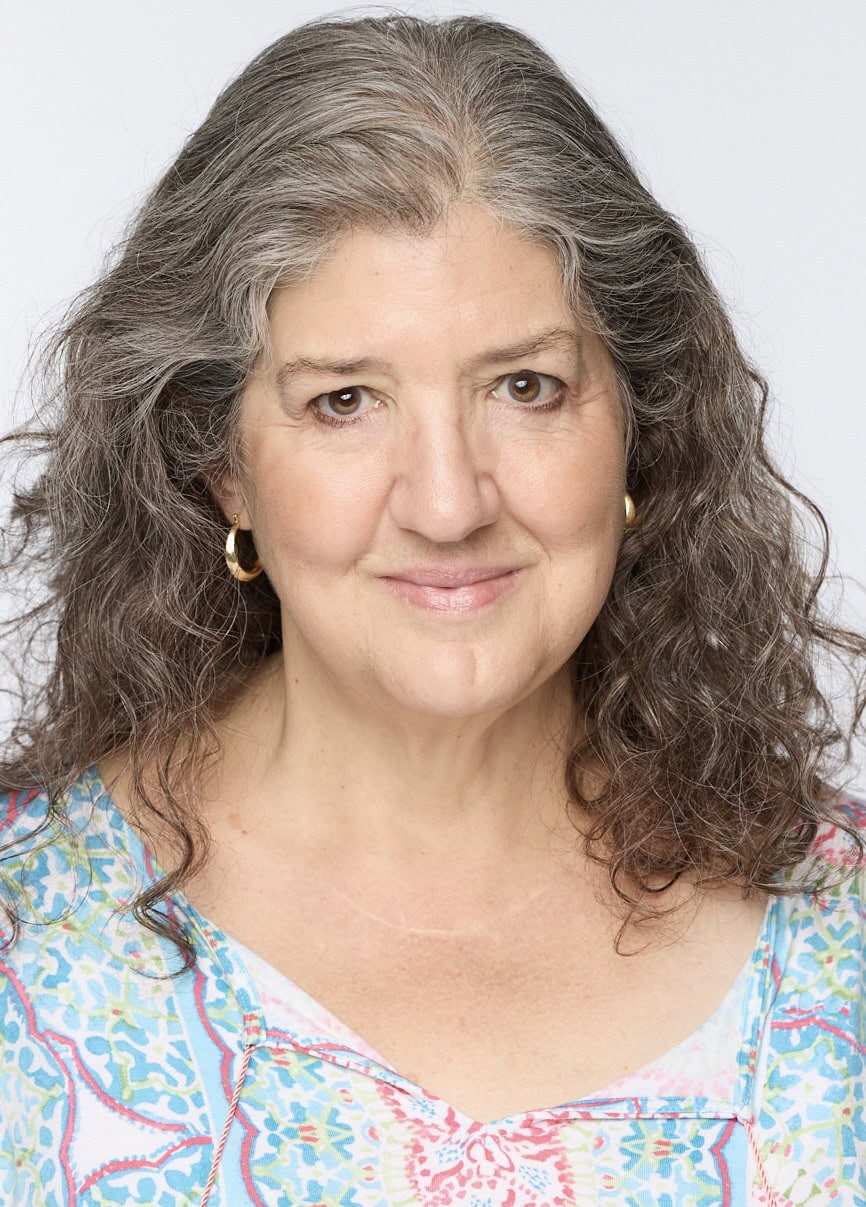
I’m the reluctant acupuncturist, who finally got into practice 8 years after graduating from the 4th class at the 1st school in the country (NESA) and after earning a different master’s in a field I loved and was quite successful in. Several of my cohorts have become important teachers and influencers in our field and thank goodness because I have benefitted so much from their study and teaching. I’ve been in the trenches for 35 years now, trying things out and seeing what works. Because of who seeks me out, I find myself specializing in pain, injuries, orthopedics, a bit of women’s health, and neurological conditions.
My clinical approach has been shaped both by extensive professional training and by personal experience. In my twenties, I survived a severe motor vehicle accident that resulted in multiple serious injuries and a long recovery process (18 surgeries), including a near-death experience. That experience profoundly changed the way I understand healing and continues to influence the way I practice today.
One of the most important lessons I took from that experience was the understanding that chronic fear and nervous system dysregulation are often major barriers to healing. So, part of my work focuses on helping patients improve ANS balance, and that, as well as seeing people with terrible problems, is some of what brought me to electroacupuncture study.
Vocationally I have also had a focus on neuroscience in my undergrad days and worked as a medical researcher in neuroscience at Harvard and the University of Iowa for a total of 9 years. That has provided me the understanding of neuroanatomy and physiology that is so helpful in applying electroacupuncture in the most beneficial and relatively sophisticated ways.
Over the years, I’ve pursued training in multiple acupuncture systems, including Japanese for 20 years, Korean SAAM, Tung style, German auricular medicine, and electro-acupuncture. The work of Jerry Tennant MD has had huge impact for me and you may hear me reference that. Because of him, my basic model is that we are made of two things: electrons and earth. We are made of earth bits held together and moved around by electrons. That is a perfect background to understand how microcurrent acupuncture is ideal for supporting healing.
I currently practice in Iowa City, Iowa, where continue to test the model and develop my own work.
Visit Laura Christensen’s acupuncture seminars website.


You don't have access to purchase this item.


