


Every body carries a history, and the practitioners who treat it well know how to read that history instead of just chasing the pain in front of them.
In this episode, we sit down with Kim Fong, a physical therapist and licensed acupuncturist, to explore treating the body as an integrated whole. We unpack why observation and palpation come before diagnosis, why patients cling to labels like “bone on bone,” and how old injuries quietly shape movement patterns showing up today.
We also dig into the role of intuition alongside clinical training, and why getting a patient to eighty-five or ninety percent is often the honest, sustainable goal.
Healing isn’t about erasing every old injury, it’s about helping a person understand how they got here, and giving them the tools to keep moving well.
Observation before diagnosis — Before touching a patient, Kim reads their color, posture, and the stories they offer unprompted. Judgment comes later; the first job is to take it all in.
Labels are placeholders, not sentences — A “herniated disc” or “bone on bone” diagnosis often becomes something patients grip onto as permanent. Kim offers a general label, then slowly shows patients it doesn’t define their ceiling.
Palpation validates pain — Touch isn’t just diagnostic, it’s confirmation. Feeling their tightness located and named tells a patient their pain was real all along.
Old injuries write present patterns — A childhood fall or old concussion, mentioned almost offhand, can explain dysfunction showing up decades later. Following that thread often reframes the whole treatment plan.
Eighty-five to ninety percent is the honest target — Full resolution isn’t always realistic once structural damage is involved. The last stretch belongs to the patient: awareness and safe movement.
Intuition earns its place through experience — A hunch to check an unrelated area isn’t guesswork, it’s pattern recognition built from years of hands-on cases, and it often lands right where the patient was about to point anyway.
Observe, listen, and feel to allow the patient to guide you in their healing process.
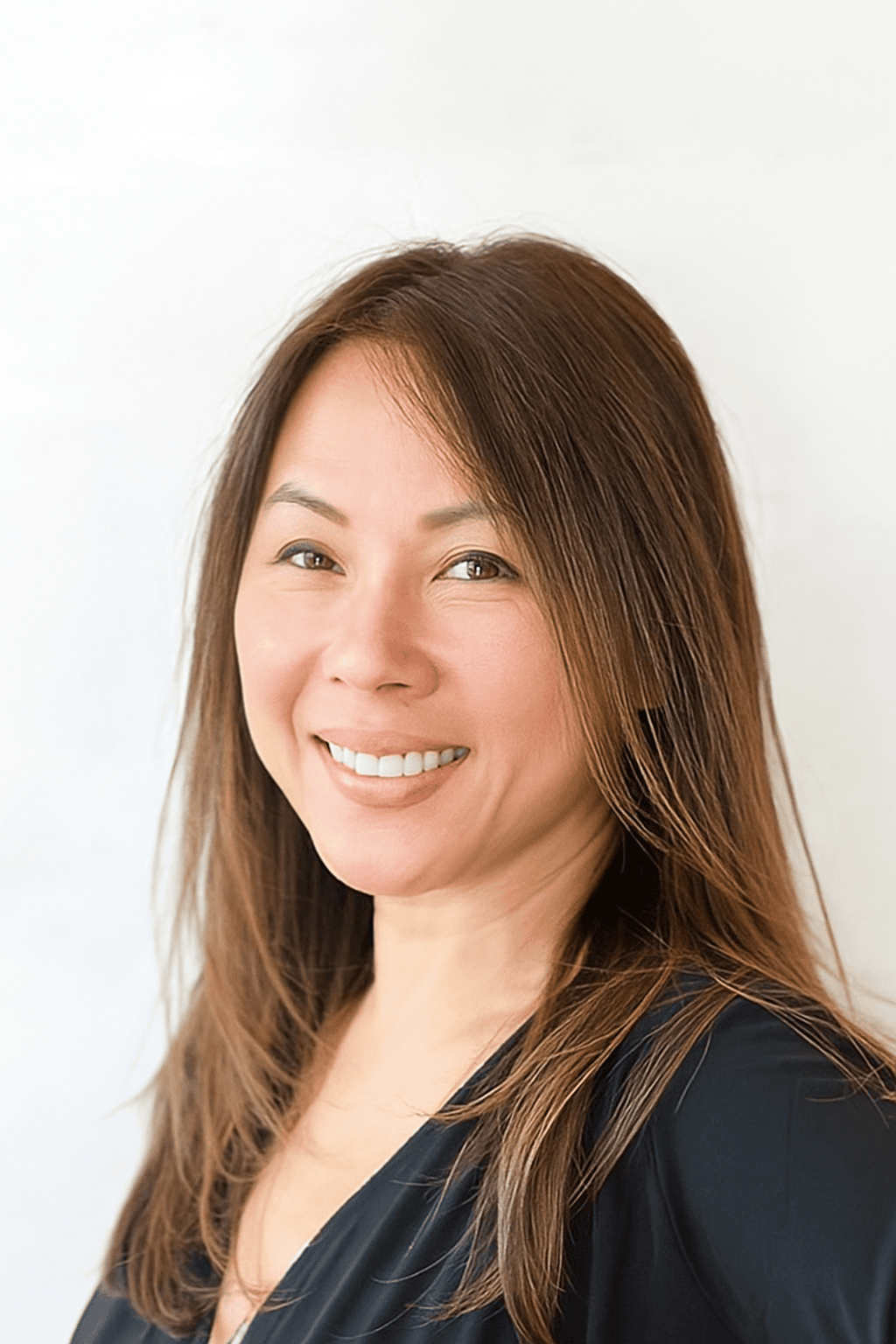
I have dedicated more than 25 years to helping people achieve optimal health through an integrative approach that combines physical therapy and acupuncture. My education includes a Bachelor of Arts in Biological Sciences from Rutgers College, a Master’s degree in Physical Therapy from Touro College, followed by a Master’s degree in Acupuncture from Tri-State College of Acupuncture.
Throughout my career, I have pursued advanced training in movement-based therapies (Tai chi, Yoga, Pilates) to complement my training in Acupuncture Physical Medicine, Traditional Chinese Medicine, and Japanese Meridian Therapy. Drawing from both Eastern and Western healing traditions, I have developed an integrated treatment approach that combines movement science, manual therapy, therapeutic exercise, and acupuncture to address the whole person rather than isolated symptoms.
As both a Physical Therapist and Acupuncturist, my clinical approach is centered on integrating the strengths of Eastern and Western medicine. This comprehensive perspective allows me to create individualized treatment plans that support pain relief, improved function, recovery, and long-term wellness. I am a licensed Physical Therapist and Acupuncturist, and a Diplomate in Acupuncture through NCBAHM. My passion is helping patients move better, heal more completely, and achieve their highest level of health.
Reach out to Kim Fong to connect and learn more.


You don't have access to purchase this item.


