


Sports acupuncture isn’t just for two-legged athletes, competition dogs need the same careful eye, just read through a different lens, and the signs often show up as quirks and behavior shifts long before anyone calls it an injury.
In this episode, we sit down with Kathy Murphy, a veterinarian and certified veterinary acupuncturist, to explore treating canine athletes through Chinese medicine. We unpack qi versus blood deficiency, why aggression and food-pickiness can be diagnostic clues, and why pulse often reads truer than tongue once treats and training enter the picture.
We also dig into the handler’s role in recovery, what real rest looks like, and why setting expectations matters as much with four-legged patients as two.
Getting a competition dog back to the work it loves isn’t about one perfect needle, it’s about reading the patterns and giving the process the time it needs.
Not all pain is readily visible.
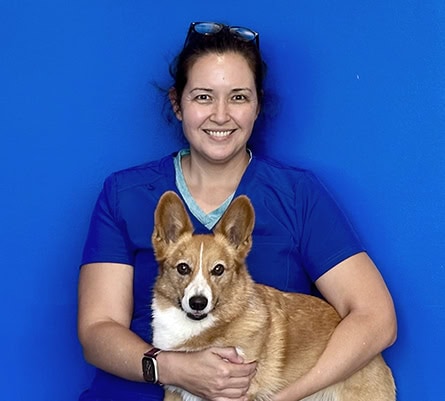
I’m a veterinarian and Certified Veterinary Acupuncturist with a special interest in sports medicine in horses and dogs. I earned my DVM from Tuskegee University in 2004, then spent a decade as an equine sports medicine veterinarian before completing acupuncture certification through the Chi Institute in 2009 and a chiropractic certification from Options for Animals in 2013.
I’m a veterinarian at LifeCare Pet Hospital in Chantilly, Virginia, a small, two-vet practice where I get to know each patient and family personally, building individualized care plans that combine conventional treatment with acupuncture, chiropractic care, and ultrasound diagnostics. I volunteer monthly with CHAMP Volunteer Chiropractic Services, providing chiropractic wellness treatment to therapeutic riding horses.
Outside the clinic, I train my two Corgis, Bohemian Shepherd, and Cavapoo in dog agility, frisbee, and flyball.


You don't have access to purchase this item.


