






It’s not news that there are changes afoot in the world of education. You’re probably already well aware of the closure, over the past few years, of schools with a long history. There are concerns with loan debt that have been an issue since Obama was president. Most recently, the changes to student loans that not only fundamentally affect the acupuncture trade, but will change the landscape for graduate education in a notable way.
In this conversation with Bex Groebner we untangle the intersection of education, accreditation, federal student loan programs and professional accountability. We explore how changes in funding will put financial pressure on schools that built a business model based on the higher loan caps of GRAD+ loans. How student debt affects those who are mortgaging their future on loans that many cannot pay back. Along with what could happen if the levels of student enrollment drop to the point where our accreditor (ACAHM) and certification organization (NCBAHM) lose the funding needed to sustain their business activities.
Bex suggests that in an uncertain world, it’s best to have a back up, and that is a large part of the motivation behind her work at the Acupuncture Workforce Alliance. Most of all, she’d like to see an acupuncture education be accessible, affordable and within reach of anyone who’d like to learn this medicine so they can serve their communities, and be able to support themselves and their families.
Acupuncture is preventive medicine, which means our job starts with gathering the right data efficiently and doing the hard work of differential diagnosis to figure out where the problem is actually coming from. From there, build a plan that includes contingencies, adjustment points, and clear referral conditions, because good clinical reasoning doesn’t stop at the working diagnosis.
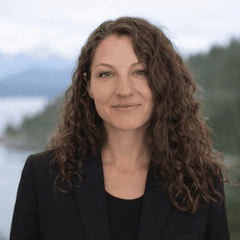
Bex Groebner, DAc, LAc
I’m a licensed acupuncturist practicing in Oregon and Washington, and the Clinical Program and Training Director for the Acupuncture Relief Project, where acupuncture is integrated into primary care in rural Nepal. Before acupuncture, I studied physics, worked as a chef for a decade, and spent years as a legal advocate for a domestic violence shelter — a background that shapes how I think about systems, data, and who gets included or left out.
I’m a former faculty member at NUNM and OCOM, a past board member of the Oregon Association of Acupuncturists, and a founding figure of the Acupuncture Workforce Alliance. I run The Local Healer acupuncture clinic in Portland, where I work primarily with Medicaid patients. I also write Needling to Get to the Point, a Substack newsletter on acupuncture policy and workforce reform.
Visit Bex on her clinic website, and read more about the challenges and opportunities facing our profession on her Substack.
The Acupuncture Workforce Alliance is worth a read, even if you don’t live in Oregon.
One of their projects is an Employer Survey. Even if you don’t live in Oregon, your input will help to identify key skills that employers are looking for in new employees.
Oregon licensure town hall on YouTube.
In this conversation we mentioned the Acupuncture Relief Project.
You don't have access to purchase this item.


