



Tools and hammer for traditional Chinese medicine preparation at Qiological.
June 18, 2026

Deconstruction or Innovation?
Valerie Hobbs

Our Sponsors

We tend to think of the acupuncture profession as something fixed and stable, but the reality is that it is always in motion. The practice of East Asian medicine in North America has been shaped by decades of effort—by practitioners, educators, regulators, and advocates working to create a place for this medicine in the American healthcare system.

In this conversation with Valerie Hobbs, we take a historical look at how the profession bootstrapped itself into being. Along with how the creation of educational standards, accreditation, certification, and professional organizations, helped to give the profession the form it has today.

We also discuss some of the tensions shaping the present moment. Questions about educational requirements, student debt, declining enrollment, professional identity, integration into mainstream healthcare, and the uncertain future of acupuncture education. 

This conversation is an invitation to consider the forces shaping our profession and to consider how we might respond. Beneath the challenges is a recurring theme: the future of this medicine will not be determined by any single institution or idea, but by our willingness to listen, engage thoughtfully, and find ways of working toward our shared goals.


In this episode, we discuss:

  • The Four Pillars of the Profession — The industry is structurally supported by the distinct roles of the certifying board, the educational community, the accreditors, and the professional associations.
  • Historical Roots and “Bootstrapping” — The profession originated as a self-built movement where early practitioners often faced legal prosecution before achieving formal recognition.
  • Role of the Certifying Board — The board ensures public safety through standardized testing and maintains the national standards that allow for license portability between states.
  • Ethics and Public Safety — Centralized oversight tracks disciplinary cases to prevent unethical practitioners from moving between states to continue harmful behavior.
  • Evolution of Higher Education Standards — Training has transitioned from unregulated beginnings into a structured system of accredited colleges with formalized administrative benchmarks.
  • The Doctorate Debate and California’s Influence — California’s high regulatory hours largely drove the national shift toward doctoral-level training by forcing schools nationwide to match those standards to remain competitive.
  • The Relationship Between Hours and Competency — There is a critical questioning of the assumption that continuously increasing educational hours automatically results in higher quality practitioners.
  • The Search for Institutional Status — Despite raising standards to match other health fields, the profession faces persistent barriers to full integration and parity within the US healthcare system.
  • Student Loan Crisis and the “Grad Plus” Impact — The expansion of federal student loans has created a significant debt-to-income gap that threatens the financial viability of new practitioners.
  • Collapsing Enrollment and Institutional Sustainability — Declining student numbers have placed a severe strain on traditional colleges, leading to the closure of major institutions with high-overhead business models.
  • Importance of State Associations — Professional associations at the state level serve as the primary legal defense and lobbying force necessary to maintain the legal right to practice.
  • Innovation vs. Deconstruction — Solving the current professional crisis requires moving toward flexible educational pathways and collaborative discourse rather than allowing institutional decay.

No one person is going to have the right idea. The path forward will come through civil discourse, active listening, and a willingness to consider the value in other viewpoints.
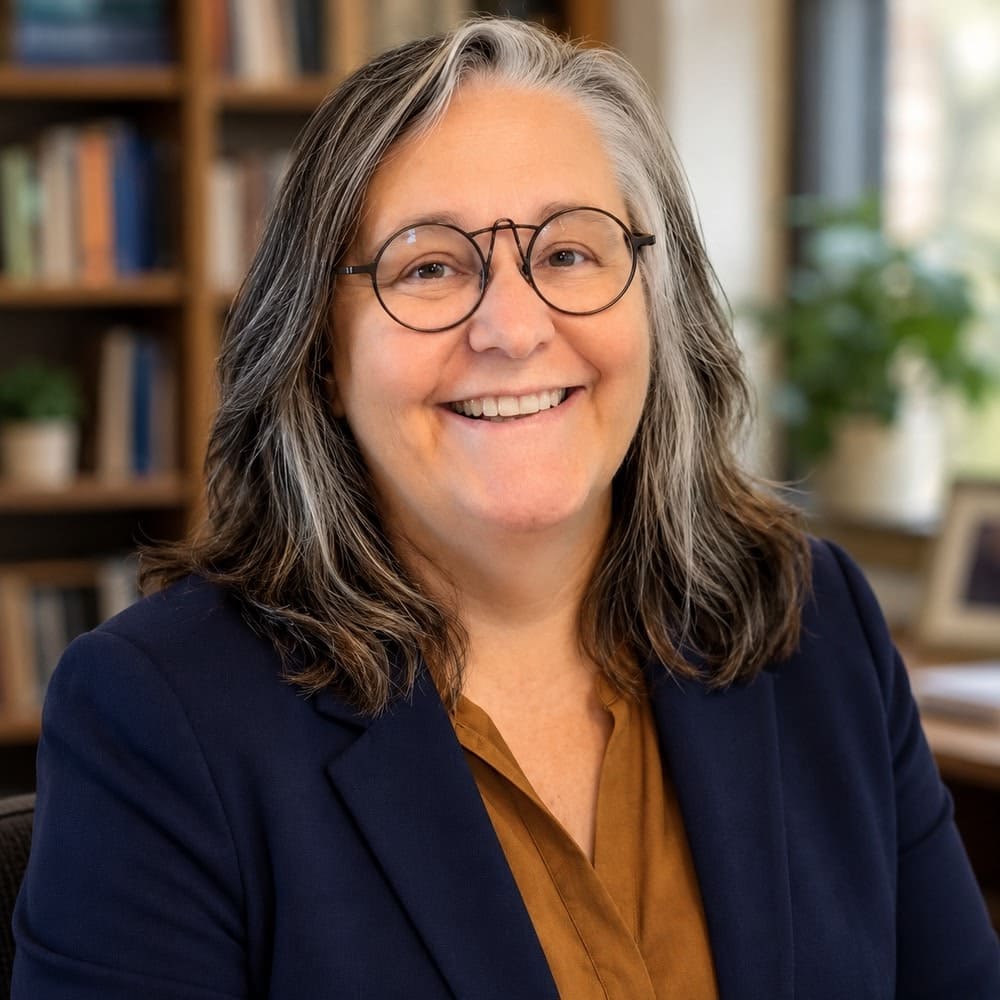
Valerie Hobbs, DAOM, L.Ac

Valerie Hobbs, DAOM, LAc, earned her diploma in Traditional Chinese Medicine from the Colorado School of Traditional Chinese Medicine (now Colorado Chinese Medicine University) in 1995, her Master of Science in Oriental Medicine from Southwest Acupuncture in 2007, and a Doctorate of Acupuncture and Oriental Medicine from the American College of Traditional Chinese Medicine in 2017.

Before she became an acupuncturist, she was a direct-entry midwife from 1979 to 1995. After finding a second career in Chinese medicine, Dr. Hobbs has worked as a faculty member and administrator at seven acupuncture colleges since 1999. She is active in the acupuncture profession, volunteering for the Accreditation Commission for Acupuncture and Herbal Medicine and the NCBAHM.

She was awarded a lifetime membership in the Acupuncture Association of Colorado for her legislative advocacy to obtain licensure status in Colorado. She is currently a part-time adjunct faculty member at the Acupuncture Integrative Medicine College, Pacific College of Health Science, Colorado Chinese Medical University, and the New England School of Acupuncture. She is an avid gardener and enjoys preparing garden-to-table meals for friends and family.

Links and Resources

Member Only Content

This additional content is available to members of our podcast.

Explore Similar Podcasts

Subscribe to the Qiological Podcast in Your Favorite Player

You don't have access to purchase this item.