

Some itchy dogs look like damp heat but aren’t, and what you feed them can show you the difference.
In this episode, we sit down with Steve Marsden, veterinarian trained in naturopathy and Chinese medicine, to explore allergies in pets. We unpack why a change of diet is the first diagnostic step, how the coat, the pulse, and the spots an animal chews point to a Shao Yang disharmony, and why a ginseng-based Xiao Chai Hu Tang paired with Si Wu Tang can calm what damp-heat formulas can’t.
When an allergy won’t follow the rules, it isn’t a failed formula, it’s a clue that something is stuck at the gate between inside and outside.
(1) The pulse and how it immediately responds to acupuncture point stimulation always gives you the diagnosis
(2) The time of day and year when symptoms start, stop, worsen or improve is second only to the pulse in giving you the diagnosis
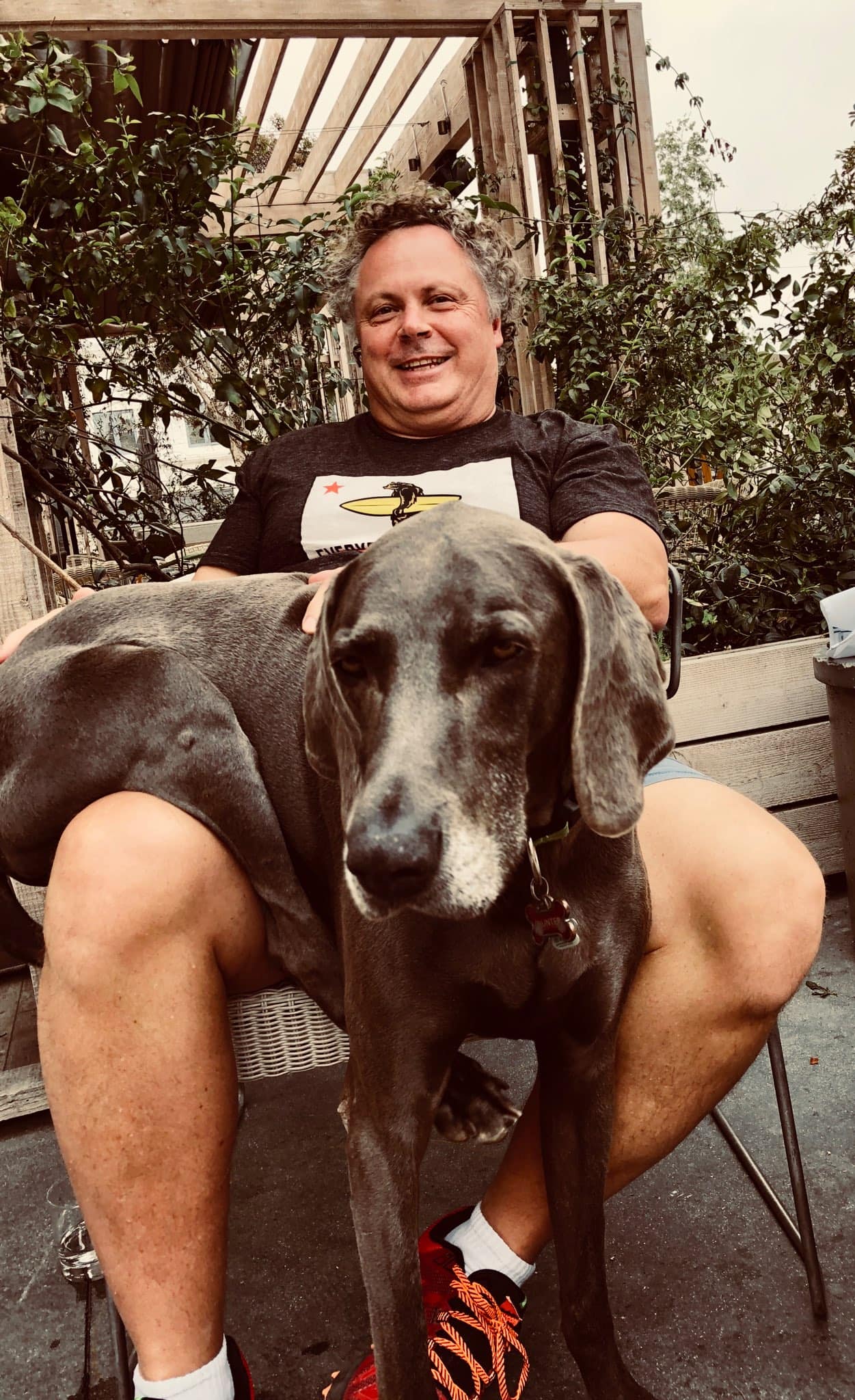
After graduating from the Western College of Veterinary Medicine in Saskatoon, Saskatchewan, in 1988, I spent six years practicing conventional medicine with large, small, zoo, and exotic animals. I felt unfulfilled by undiagnosed cases, treatments worse than the disease, and prescriptions replacing cures.
Trained to dismiss medicine outside the conventional model, I explored holistic care after learning that European veterinarians took it seriously. My early attempts failed until British holistic veterinarian Christopher Day gave guidance. Gradually, I saw holistic medicine succeed in difficult cases. One life-changing result led me to sell my clinic and study at the National College of Naturopathic Medicine in Portland, Oregon. I became one of the first graduates of its Master of Science program in Oriental Medicine and earned a doctorate in naturopathic medicine.
For two decades, I treated animals and people in an Edmonton practice while teaching and lecturing on Chinese medicine. Today, I teach, serve as Director Emeritus of the National University of Natural Medicine, and help companies develop and use classical Chinese herbal formulas. I share holistic advice online and am training an AI counterpart. Alongside my spouse and colleague, Dr. Kären Marsden, I hope to make a lasting difference in veterinary medicine.
Learn more from Dr. Steve Marsden and explore his herbal medicine resources at Gold Standard Herbs and NPHC.


You don't have access to purchase this item.


