
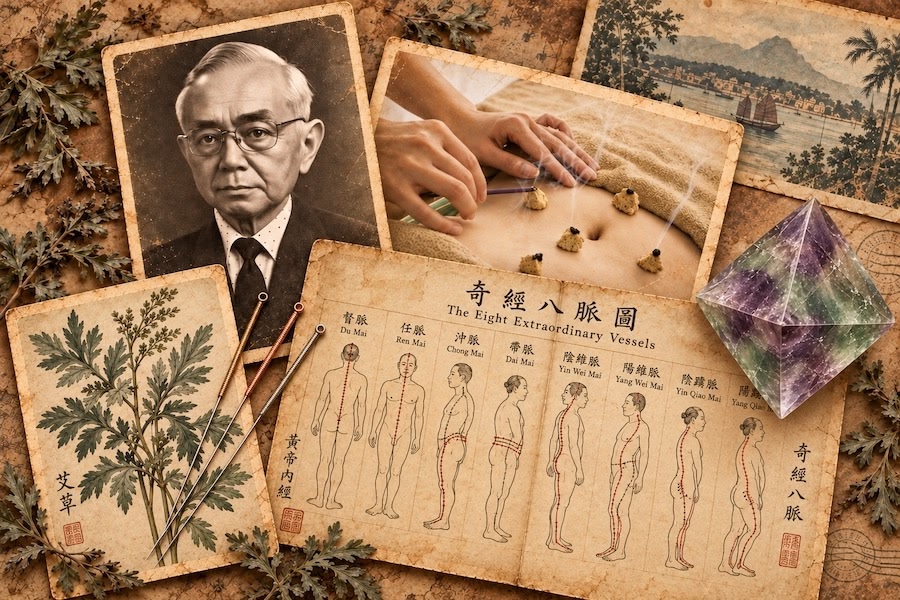





We often think good treatment begins with certainty: first identify the pattern, then decide what to do. But in the tradition of Dr. Yoshio Manaka, treatment itself can be the means of discovery. The practitioner learns by engaging the body directly and paying close attention to how it responds.
In this conversation, Oran Kivity, Marian Fixler, Brenda Loew, Stephen Birch, and Paul Movsessian reflect on studying and practicing Manaka-style acupuncture. They describe an approach in which the body’s structure emerges through palpation, immediate feedback, and ongoing adjustment—not from a diagnosis fixed in advance.
This is not acupuncture as the application of a preset protocol. It is a disciplined way of paying attention: using touch as both diagnosis and treatment, testing small interventions, observing what changes, and allowing the body’s response to continually reshape one’s understanding of what is needed.
Don’t believe a word I say!
(Meaning: test it, observe it, reproduce it.)
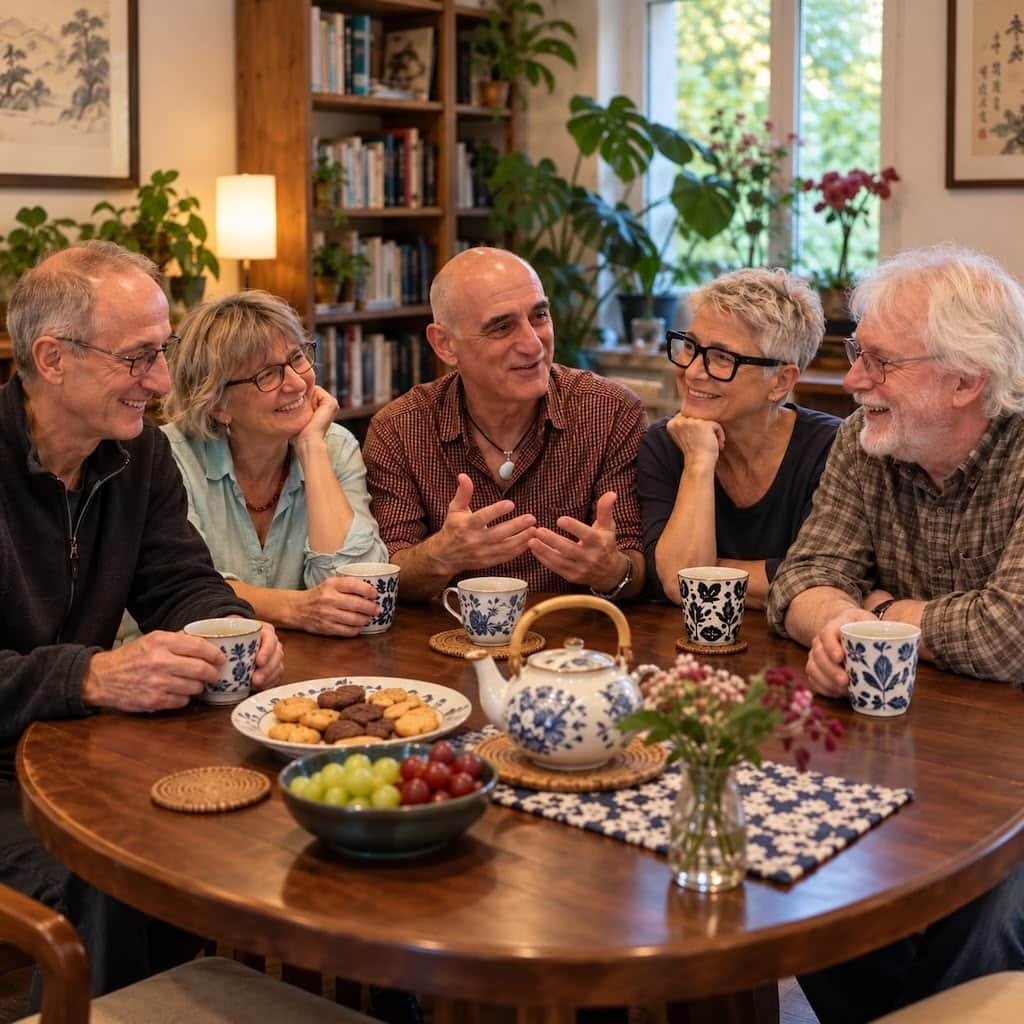
Oran Kivity, Stephen Birch, Marian Fixler, Brenda Loew and Paul Movsessian
Oran Kivity, Stephen Birch, Marian Fixler, Brenda Loew and Paul Movsessian are internationally recognised practitioners, teachers and authors with decades of combined experience in Japanese acupuncture and moxibustion. Their clinical backgrounds span Manaka System Acupuncture, Toyohari, Shonishin, Sotai, moxibustion and other Japanese approaches, with teaching and research experience across Europe, North America, Australia, New Zealand and Asia.
Stephen Birch studied directly with Dr Yoshio Manaka and has been a key figure in bringing his work to the West. The other authors have each spent many years practising, teaching and developing Manaka’s methods in their own clinical fields. Together, they represent several generations of transmission and contemporary development within Japanese acupuncture, united by a shared commitment to palpation, clinical feedback, minimal stimulation and the continuing evolution of Manaka’s work.
To learn more about Oran Kivity visit his website.
And for more videos and insights, subscribe to The Ontake Channel and Sayoshi TV.
You don't have access to purchase this item.


