New Shoptalk Conversations Publish on the 1st and 3rd Thursday of Each Month

March 19, 2026

Top Three Considerations in Treating Menopause

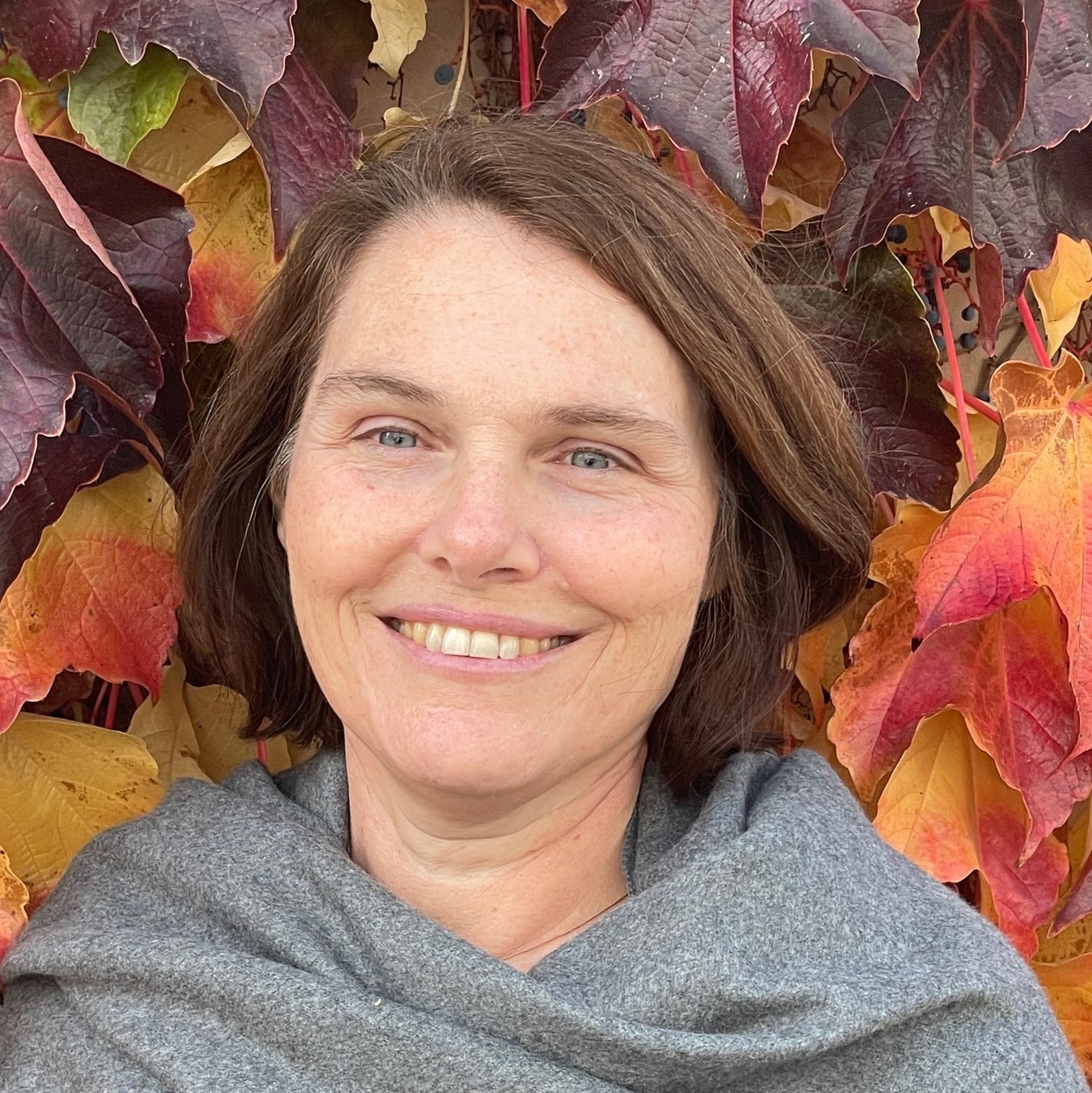
Christina Jackson

Shoptalk is Sponsored by

When we work with menopause in the clinic, we quickly see that hormones alone don’t determine the outcome. Sleep disruption, heat, and weight changes often reflect how the body is adapting to a major physiological transition. Effective treatment isn’t about correcting hormone levels alone, but about supporting the body’s capacity to adjust as its internal resources shift.

In this conversation, we sit down with Christina Jackson for a clinical discussion on menopause through the lens of Chinese medicine.

We explore why the common symptoms of menopause — sleep disturbance, heat, and weight gain — are often interconnected, and why addressing sleep first can create the foundation for improvement across the whole system. We also discuss how menopause is frequently oversimplified as a Kidney deficiency pattern, when in reality many patients present with Liver dynamics, fluid depletion, or mixed patterns that require a more nuanced approach.

We also discuss the importance of patient education. Helping patients understand the role of lifestyle, nervous system regulation, and long-term depletion allows them to participate more actively in their own care.

Effective care during menopause isn’t about pushing the body harder or chasing lab numbers. It’s about working with what is presenting, offering the right support at the right time, and helping the system regain its ability to regulate itself.

In this Shoptalk, we discuss:

  • Menopause as adaptation, not just hormones — Rather than seeing menopause as simple estrogen decline, we view it as a transition that tests how well the body can regulate through change.
  • Sleep as the clinical starting point — When sleep breaks down, heat, appetite, and weight all worsen. Restoring sleep often stabilises the whole system.
  • Treat the pattern, not the stage — Menopause is often labelled Kidney deficiency, but many patients present with liver dynamics, emotional volatility, or digestive heat. What is presenting matters most.
  • Heat requires differentiation — Hot flashes are not always excess heat. Many women show mixed patterns, with heat above and cold below.
  • Protect fluids during treatment — Classical formulas can easily dry or overheat patients if applied too strongly. Supporting fluids is essential.
  • Weight gain as a stress response — Pushing harder with intense exercise or restriction can worsen imbalance and increase fat storage.
  • Regulation before optimisation — Gentle movement, nervous system support, and rest help the body regain its natural rhythm.
  • Education as treatment — Helping patients understand the transition allows them to adjust habits and support their health.
  • Diagnosis as an evolving process — Clinical insight develops through observation, experimentation, and collaboration with the patient.

When you’re confused, treat as simply as you can, trying a specific EAM diagnosis. From your result you will learn a lot about the direction to follow next.

Christina Jackson, DAHM, L.Ac

When I graduated acupuncture school in 1995, there were no books written in English on EAM obgyn.  There were only a couple of research studies on acupuncture for fertility in english and they were done on cows.   From my own experiences and as feminist, I always wanted to focus on ob /gyn.

I was very lucky to have had the opportunity to practice  within a Seattle fertility clinic doing acupuncture in 1998 which seemed to put me on the map as a gynecology practitioner. I was blessed with an amazing mentor both  as a gynecology practitioner and teaching mentor in Cindy Micleu.

I went on to teach courses in gynecology for The Jade Institute with Cindy,  and later taught obgyn at  Seattle Institute of East Asian Medicine and lectured in the  doctoral program at Bastyr.  In 2020, I went back and earned a doctoral degree at SIEAM focusing on high risk pregnancy and published  a case series on hypertension in pregnancy.  My work on this is still ongoing. 

Now, at 58 and post menopausal,  it has been a gift that I started practice so young and have lived experience through the many stages of women’s gynecological health. I’m slowing down and trying to follow my own advice.

Links and Resources

Visit Christina on her website.

Here is the research on Menopausal Hormone Therapy that we discussed in this episode, and Christina’s research into Acupuncture for Hypertensive Disorders in Pregnancy.

Explore Similar Shoptalks

Subscribe to the Qiological Podcast in Your Favorite Player

You don't have access to purchase this item.