
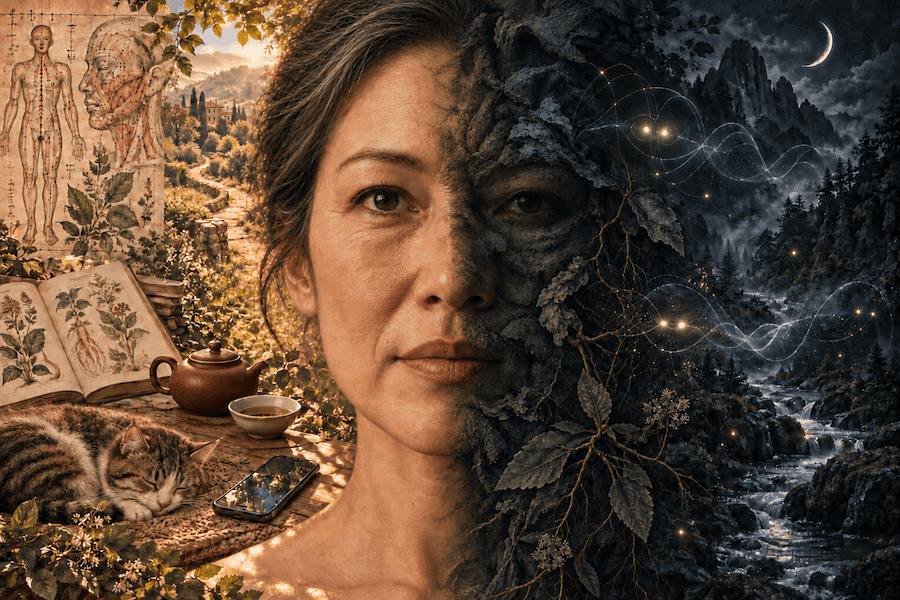




We say we learn from our patients. But what does that actually mean when you’re in the room, the treatment isn’t going the way you’d anticipated, and the theory leaves you more confused than connected?
In this conversation we are joined by Chris McAlister, Maya Suzuki, and Bonnie Wright for a conversation about learning from the people—and animals—we treat. We’ve all heard the phrase about “learning from our patients.” I wanted to get underneath it a bit: what happens in the uncomfortable and disorienting moments when you realize you don’t know?
We talk about putting your hands on, noticing what changes, and trying to make sense of the response without getting lost in your own ideas. We also discuss practice, teachers, theory, uncertainty, and the question of when to stop or try something else.
There’s a difference between saying the patient is the teacher and actually letting the patient teach you. That difference can be uncomfortable, useful, and hard to put into words. It also makes for a potent conversation. Listen in!
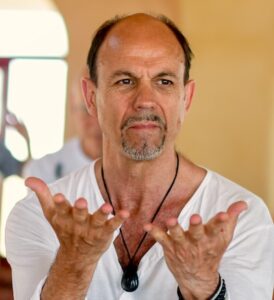
I’m nearing the end of my fourth decade in clinical practice. I first encountered Chinese medicine while sick in Tibet and China, where Tuina, Taiji Chuan, and acupuncture had a powerful restorative effect.
In Japan, a chance meeting introduced me to Shiatsu and Masunaga’s Zen Shiatsu. I later studied with Suzuki Takeo, Masunaga’s top student, while also pursuing acupuncture, Chinese herbs, Nei Gong, Taiji, and martial arts with practitioners in Japan and China. I studied acupuncture with Peter Yates and Gotoh Kimiya, then spent two years studying with Ted Kaptchuk after returning to Europe.
In 2021, I published Touching the Invisible: Exploring the Way of Shiatsu, with Jeremy Halpin and Jan Nevelius. My 2023 book is The Poetry of Touch: Alchemy, Transformation and Oriental Medicine.
My work integrates ancient shamanistic practices and classical Oriental medicine with insights from daily practice, ideas, and dreams.
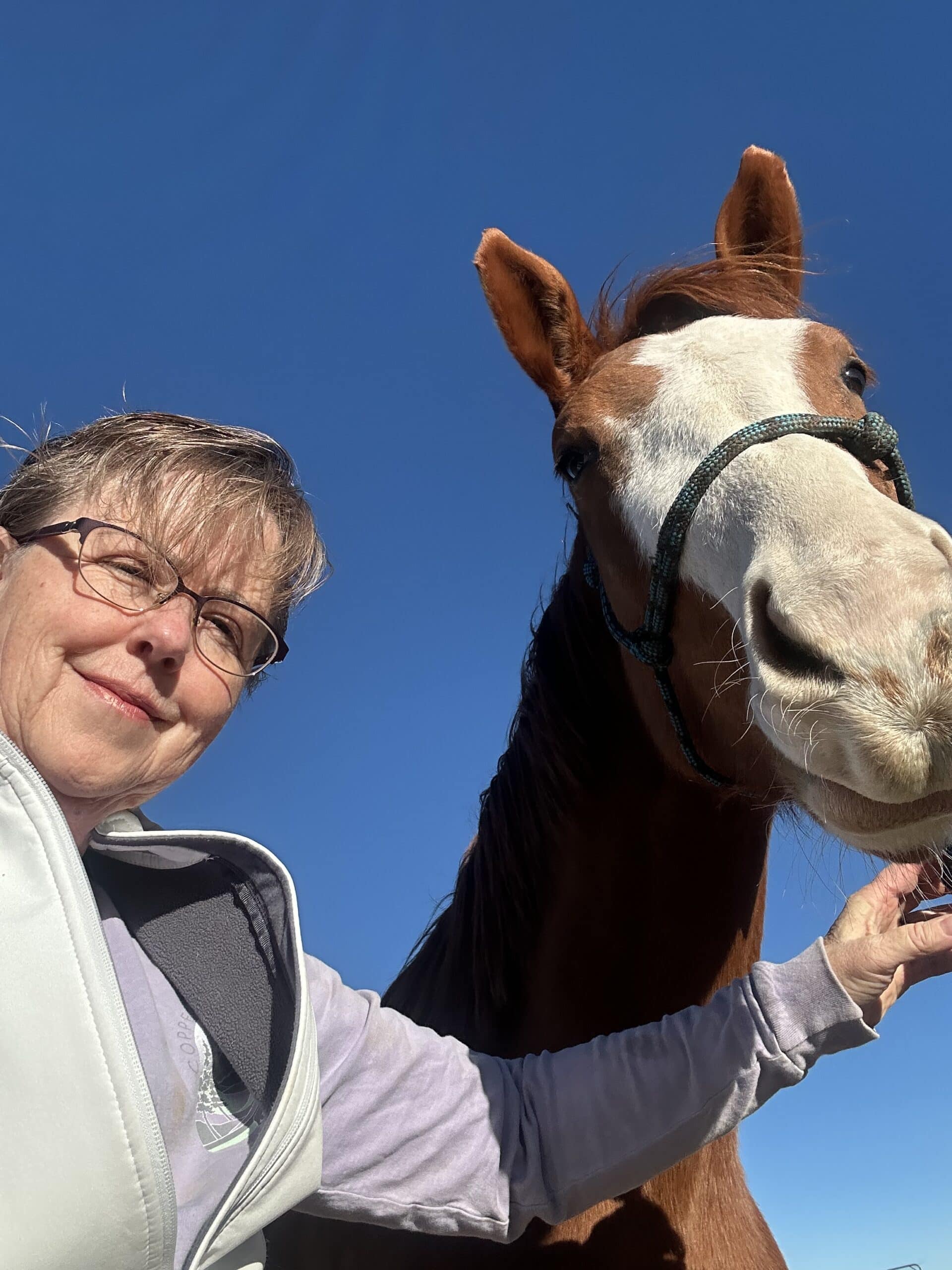
Bonnie Wright, DVM, DACVAA
I was born and raised in Albuquerque, New Mexico, and earned my Doctor of Veterinary Medicine at Colorado State University. After practicing briefly, I completed a residency in Anesthesia and Critical Patient Care at the University of California, Davis.
I am board-certified in Veterinary Anesthesia and Analgesia, passionate about treating pain in geriatric animals—from dogs, cats, and horses to penguins, lions, primates, reptiles, and many others. This work led me to pursue certificates in Medical Acupuncture, Veterinary Pain Practitioner, canine rehabilitation, and advanced training in canine musculoskeletal imaging and regenerative medicine.
I teach nationally and internationally in veterinary anesthesia, pain medicine, evidence-based acupuncture, regenerative medicine, and rehabilitation. I am lead faculty for the Evidence Based Veterinary Acupuncture program.
Outside work, I spend time with my wife, two adult sons, dogs, a red-headed mare, and an unknown number of wild hogs and turkeys. When not building our off-grid Hawaiian farm I’m scattering the seeds of acupuncture practice to veterinarians everywhere I walk.
Visit Bonnie at Evidence-Based Veterinary Acupuncture and Mistral Vet.

Maya Suzuki, L.Ac
My acupuncture journey began with limited Japanese and a strong desire to become an acupuncturist. In under 15 years, I graduated from a Japanese acupuncture school and earned licensure in acupuncture and moxibustion in both Japan and the United States.
My passion for Japanese acupuncture has led me to organize, translate, and teach workshops across North America, Israel, and Japan. Through ShinKyu University, I’ve taught and mentored students in online and in-person classes. I also run a busy acupuncture clinic, with appointments booked weeks in advance.
My approach is practical and precise, focused on technical skill and results that can be observed and measured. I bring that same focus to teaching, helping students understand what each needle and moxibustion cone is doing. Drawing on my hands-on experience and mentorship in Japan, I developed ShinKyu to help practitioners deliver effective treatments without relying on rigid protocols.
Visit with Maya on her Shinkyu University website, her YouTube channel, or on Instagram.
You don't have access to purchase this item.


