

Topical steroids can suppress the skin for years, then withdrawal leaves it unable to find a stable state at all.
In this episode, we sit down with Mazin Al-Khafaji, doctor of Chinese medicine and co-author of a manual of acupuncture points, to explore treating TSW through Chinese medicine. We unpack what potent steroids do to the skin barrier and microbiome, the three phases of treatment, and why rushing to heavy tonics can reignite the fire you just put out.
Healing skin that’s been stripped of its own defenses isn’t a quick fix, it’s a slow rebuild that asks for patience from both practitioner and patient.
When treating severe TSW, the initial priority is always to control the intense, fiery rebound – draining Fire, resolving Toxins, and venting Blood Heat to the surface and out through the lower portals, while drying Dampness and scattering Wind as per presentation. Only after achieving this should you consider addressing the desiccation and tissue injury by clearing lurking pathogens and nourishing the dryness.
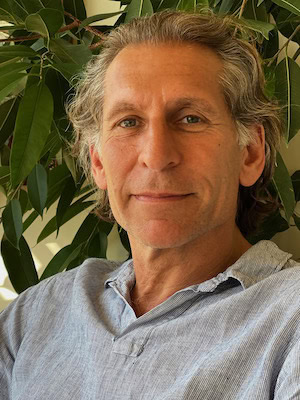
In 1979 I started intensive studies in modern and classic Chinese as well as acupuncture. I continued my studies in China and in 1987 graduated as Doctor of Chinese Medicine from the Shanghai College of Traditional Chinese Medicine. Since then, I’ve been in full time practice entirely devoted to three main areas – autoimmune disease, allergic disease, and skin disease.
I lecture widely all over the world on these subjects and over the past 20 years have run the Dermatology Diploma Programme in both Europe & North America all graduates of this programme automatically becoming members of the International TCM Dermatology Association.
Since so much of my work is devoted to dermatology, I have over the past 3 decades also developed the Dermatology-M range of topical products and herbal cosmetics from Chinese herbal ingredients to address many common skin disorders
I am the author of numerous articles and co-author of the international textbook A Manual of Acupuncture.
Explore Mazin Al-Khafaji’s Chinese medicine dermatology products and register for his upcoming October 2026 Master Classes in NYC and LA.
You don't have access to purchase this item.


