


Ancient Asian temple gate line art, symbolizing cultural heritage and historical significance.
#467
June 30, 2026

History Series, Rebellious Empirical Scientists
William Prensky & Gene Bruno

Our Sponsors

How does a profession begin? Not on paper. Not with licensing boards or schools. Often enough,  it starts with a handful of curious people who become convinced there’s another way to do things. Part determination, part serendipity, and perhaps a good measure of luck.

Bill Prensky and Gene Bruno were there before acupuncture had a place in American healthcare. In the wake of the Vietnam War, student protests, and a generation questioning nearly everything, they walked away from academic research that no longer made sense to them. Their Tai Chi teacher, Marshall Ho,  introduced them to Dr. Kim, who reluctantly agreed to teach a small group that in time became like family.

What followed is equal parts history and improbable story: treating patients at the Crossroads of the World, translating across languages, creating lecture series just to afford tuition, traveling with their teacher, and helping establish the first legal and educational footholds for acupuncture.

Listen in to this conversation on trading graduate education for a study that didn’t have a syllabus, credentialing or degree, helped acupuncture to find its footing in America.


In this episode, we discuss:

  • The social and cultural upheaval that opened the door to acupuncture—The Vietnam War, student protests, and a broader questioning of conventional institutions created a unique space for exploring alternative ways of understanding health and healing.
  • Walking away from conventional academic careers—Bill and Gene describe leaving research paths that no longer made sense to them in search of work that felt more personally meaningful and connected to tangible results.
  • Finding teachers through unexpected, long-term connections—A Tai Chi class with Marshall Ho led to meeting Dr. Kim, whose reluctant agreement to teach a small group ultimately changed the course of their lives and helped to spark acupuncture’s emergence into the mainstream culture.
  • The apprenticeship model of learning before formal schools—Before syllabi, accreditation and standards, acupuncture was passed on through close observation, hands-on practice, and a deep, multi-year relationship with a teacher.
  • The formation of a dedicated learning community—What began as a handful of students evolved into a group bound together by shared study, becoming more like a family than a cohort of classmates.
  • Entrepreneurial effort to fund their education—The students organized public lecture series and educational events to raise the money needed to pay tuition and continue their studies.
  • Education that extended beyond the clinic walls—Traveling with Dr. Kim and spending time together outside the classroom became an essential part of learning both the medicine and the character of a practitioner.
  • Practicing medicine in a landscape of little recognition—They treated patients at a time when acupuncture had almost no institutional support, relying on clinical results rather than professional credentials.
  • Building the first legal and educational footholds—Their efforts helped establish acupuncture’s legal recognition and the first educational institutions  that allowed the profession to grow in the United States.
  • The interplay of chance, persistence, and relationships—Looking back, they reflect on how unexpected encounters, good fortune, and sustained commitment shaped both their careers and the development of the profession.
  • Cultural appropriation and the ethics of transmission—The guests discuss the tension between being “white people” learning a Chinese tradition and the deliberate choice made by Dr. So and Dr. Kim to risk their reputations within the Chinese community to ensure the medicine would survive and “change the world.”
  • The role of trust and clinical restraint in apprenticeship—Before Dr Kim shared the deeper aspects of the medicine, the students had to demonstrate that they were serious, disciplined, and committed to preserving the tradition through careful study, responsible practice, and a willingness to earn the knowledge rather than simply acquire it.
  • Proving the medicine through veterinary acupuncture and dental surgery—To move past the “placebo effect” argument, the early group performed dental extractions with only acupuncture for analgesia and successfully treated large animals, demonstrating that the results were reliable and reproducible beyond human suggestion.
  • The “Where’s the Magic?” mindset versus the “Commodity” of education—The conversation contrasts the modern expectation of a predictable, numbered syllabus with the early experience of transmission, where learning was an active inquiry and a “receiver” state rather than a product to be purchased.
  • Acupuncture as a path of social and spiritual redemption—Situated in the wake of the Vietnam War and the Kent State massacre, the guests describe their pursuit of acupuncture as a way to “restart our world” through a practice that felt untainted by the political horrors of the era.

Intuitive medicine is the highest form of medicine.  A physician needs to listen carefully to hear the inner connection they have with a patient.
—Gene Bruno
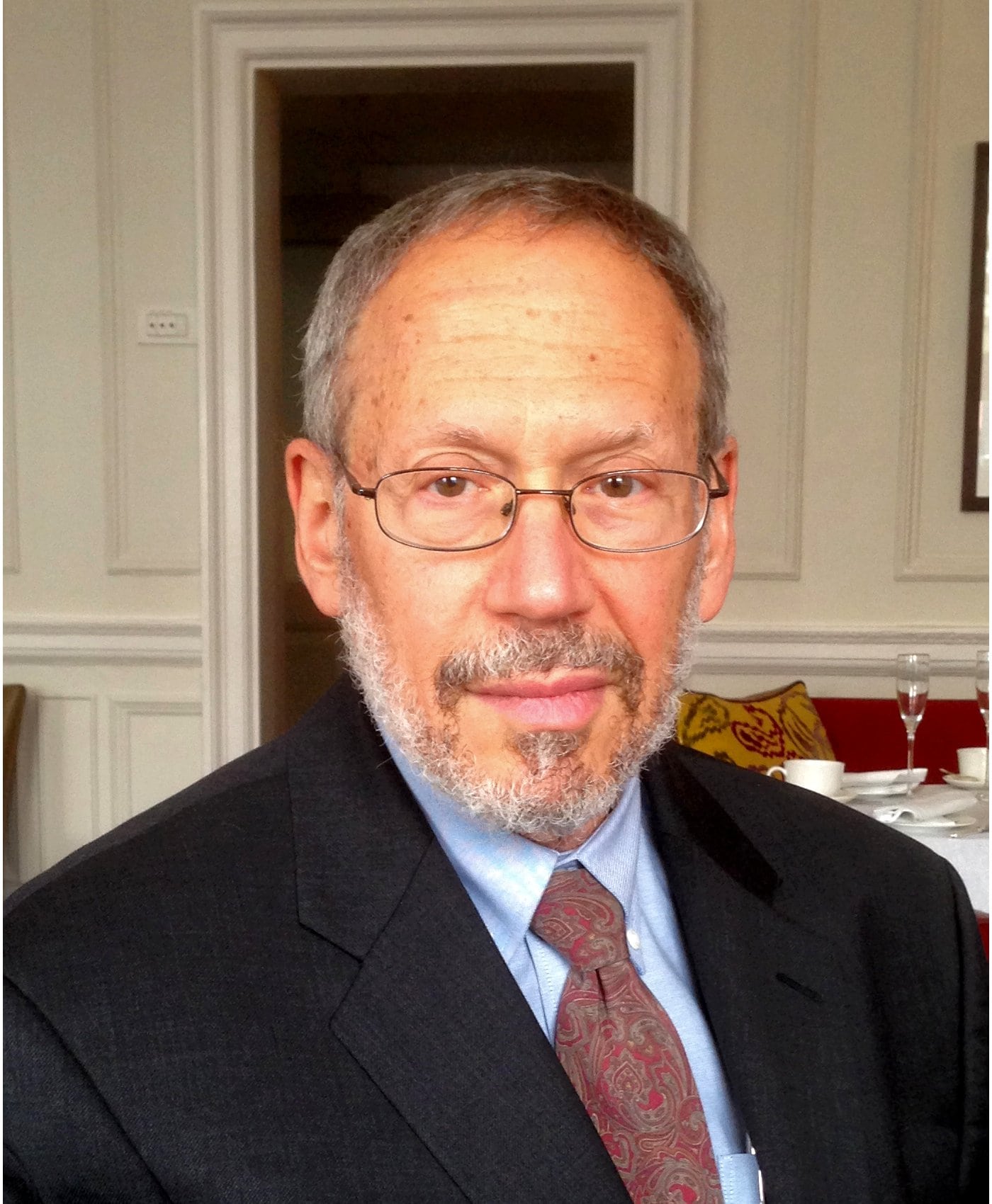
William Prensky, OMD, LAc

Dr. William Prensky was one of the pioneering figures responsible for helping establish acupuncture and Chinese medicine as recognized healthcare practices in the United States during the late 1960s and 1970s. As one of the earliest non-Asian practitioners to study Classical Chinese Medicine under renowned masters Dr. Gim Shek Ju and Dr. James Tin Yau So, Dr. Prensky played a central role in introducing acupuncture to Western medical institutions and the American public.

Working alongside fellow pioneers Steven Rosenblatt, Gene Bruno, John Ottaviano, and others through the Institute for Taoist Studies and the National Acupuncture Association, he helped develop some of the first acupuncture research programs and educational initiatives in the country.

Dr. Prensky also served as President of the National Acupuncture Association and helped support the establishment of the UCLA Acupuncture Pain Clinic and the New England School of Acupuncture, among the first major acupuncture institutions in the United States.
Practitioner performing acupuncture therapy for holistic health and wellness.

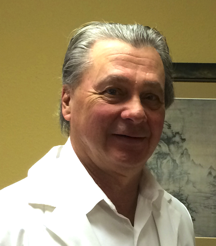
Gene Bruno, OMD, LAc, FABAA

Gene Bruno completed his undergraduate studies at UCLA. In 1972, Gene was one of the acupuncturists of the Veterinary Acupuncture Research Project of the National Acupuncture Association (NAA). This group, headed by John Ottaviano, introduced Animal Acupuncture into the United States for the first time. As a staff acupuncturist with the NAA he participated part time in the Acupuncture Pain Clinic at UCLA medical school from 1972 until 1974.

Dr. Bruno was a part of the group that founded the first two schools of Acupuncture in the United States, and the co-founder of the Oregon Acupuncture Association in 1978. He served on the Oregon Medical Board’s Acupuncture Committee from 1980 until 1989. He is the past president of the AAOM. From 2007 until 2011, he was a member of the Executive Counsel of the World Federation of Chinese Medicine Societies, In 2007 he founded the Trudy McAlister Foundation, a charitable, scholarship foundation for AOM students. In addition to the extensive research on developing animal acupuncture, Dr. Bruno was an acupuncturist in research projects at Harvard Medical School and at the University of Massachusetts, Amherst, looking into the practical applications of acupuncture for the treatment of pain.

Dr. Bruno is the lead instructor at the National Academy of Animal Acupuncture, and has recently published two books, Acupuncture Points on the Horse and Acupuncture Points on the Dog, that are available on Amazon.com

Links and Resources

Interested in animal acupuncture?
Gene has two books: Acupuncture Points on the Horse, and Acupuncture Points on the Dog.

The Animal Acupuncture Board and National Academy of Animal Acupuncture are both sources for more about animal acupuncture.

The Trudy McAlister Foundation offers scholarships and support to students of Acupuncture and Oriental Medicine.

Member Only Content

This additional content is available to members of our podcast.

Explore Similar Podcasts

Subscribe to the Qiological Podcast in Your Favorite Player

Qiological celebrates 9 years of conversations with a special face reading episode at the end of August, and you're invited!

Enter our drawing for a face reading with Anita Chopra and to join as a guest on Qiological.

We’ll draw the winner on July 1st.

You don't have access to purchase this item.