



Dry Needling, Tensegrity, and the Challenges of Integration
Darren Maynard

Our Sponsors

Sports medicine acupuncture is one of those phrases that sounds neat and tidy. But, what does it actually mean?.

In this conversation with Darren Maynard, dig into the complexity and methods that fall within the world of orthopedic and musculo-skeletal medicine. We explore what it means to be bilingual in clinic, and the value of being able to hold a Chinese medicine diagnosis and a Western ortho assessment in the same set of hands. We’ll discuss why “sports” doesn’t mean “athletes only,” how palpation is a key to effective treatment, and why training means more than a few weekend courses—especially when needle depth, safety, and confidence are on the line.

Listen in as we take a look at the turf-war issues of dry needling, and what it means to have acupuncture “integrated” into the larger medical care system. And how Chinese medicine principles allow for nuance that results in better clinical outcomes.


In this episode, we discuss:

  • Misconceptions of sports acupuncture — how the practice is often misunderstood as only being for elite athletes or limited to treating physical pain.
  • The “bilingual” practitioner — the necessity of translating traditional Chinese medicine concepts into Western medical language to facilitate professional referrals and clinical collaboration.
  • The evolution of specialized training — how exposure to diverse styles, from Japanese acupuncture to trigger point work, allows practitioners to gravitate toward their clinical interests.
  • Anatomy through cadaver dissection — how hands-on experience with human tissue provides a deeper understanding of needle depth, safety, and structural reality.
  • The ethics of clinical boundaries — the importance of identifying one’s “lane” and referring patients to specialists for complex issues like fertility.
  • Managing “last resort” expectations — navigating the difficult conversations with chronic pain patients who are surgical candidates looking for a miracle cure.
  • Redefining “better” for the aging athlete — shifting the focus from total pain elimination to maintaining the ability to perform loved activities as the body naturally degenerates.
  • Integrating Yin into Yang lifestyles — the essential shift for athletes over 35 to incorporate restorative practices like yoga, meditation, and qigong into their training.
  • The psychomotor lens of Saam acupuncture — using unique organ pairings to address deep-seated emotional patterns like gallbladder-driven aggression or heart-based back pain.
  • Developing a personal clinical style — moving away from rigid adherence to a single lineage toward an integrated, individualized approach to treatment.
  • Trauma held in the musculoskeletal system — recognizing how deep muscle work can trigger significant emotional releases and the need for grounding techniques like “Buddha’s Triangle”.
  • Reframing the dry needling debate — shifting the focus from the physical needle to the clinical intent and the history of needle retention.
  • Collaboration over turf wars — moving from a “warrior mentality” regarding professional territory to a mentorship role that benefits the patient and the practice.
  • The principle of tensegrity — viewing the body as a system of balanced tension where “locked long” muscles are often the ones screaming for relief while “locked short” muscles are the root cause.
  • The magic of mirror treatments — utilizing anatomical and energetic correlations to treat pain by needling the opposite side or a corresponding joint.

Tensegrity governs structural imbalance — the painful area is often the victim, not the culprit. When the posterior shoulder or low back keeps flaring, evaluate the anterior shoulder and hip; it’s the victims that scream, not the culprits.
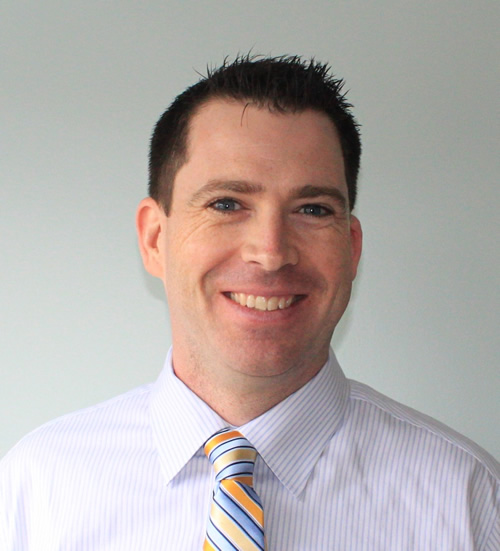
Darren Maynard, MSOM, L.Ac

I’m Darren Maynard, MSOM, L.Ac., and I’m the founder of Maynard Clinic of Acupuncture in South Burlington, Vermont, where I specialize in sports medicine and orthopedic acupuncture. My clinical work focuses on integrating traditional East Asian medicine with modern sports medicine principles to treat musculoskeletal injury, support performance optimization, and guide athletes through the full return-to-play process.

In practice, I emphasize precise structural assessment, channel palpation, motor point needling, myofascial release, and functional movement analysis to address both root and branch. I draw from classical channel theory and sinew channel (jing jin) pathways while incorporating contemporary orthopedic evaluation to treat acute and chronic conditions including tendinopathies, ligament sprains, overuse injuries, and post-surgical rehabilitation. My goal is to restore tissue integrity, improve neuromuscular recruitment patterns, and help athletes recover efficiently without compromising long-term structural balance.

Links and Resources

Visit Darren on his website, Instagram or Facebook.

Member Only Content

This additional content is available to members of our podcast.

Explore Similar Podcasts

Subscribe to the Qiological Podcast in Your Favorite Player

You don't have access to purchase this item.