


When we work with perimenopause, we find it isn’t hormones alone that determine the outcome. It’s the body’s capacity to adapt to change. Effective treatment isn’t about replacing what is declining, but restoring resilience so the system can regulate itself.
In this Shoptalk, we sit down with Lorne Brown for a clinical conversation on understanding perimenopause through the lens of Chinese medicine.
We explore why the oversimplification of “estrogen decline equals symptoms” is not a clinically useful perspective, and how kidney resources and liver adaptability shape a patient’s experience. We discuss why seeing what is presenting matters more than diagnosing by label, and why hot flashes in one constitution require a very different approach than in another.
We also talk about the importance of treatment dosage and momentum, and how short, concentrated courses of acupuncture and herbs can recalibrate the system more effectively than scattered, infrequent care.
Effective care is not about doing more. It’s about offering the right support at the right time, in the right amount, so the body can regain its own balance.
Perimenopause as adaptation, not pathology — Rather than viewing it as a hormone deficiency to replace, we consider it a transition that tests the body’s capacity to adapt. Symptoms reflect resilience under strain, not simply estrogen decline.
Resilience is the clinical axis — Kidney resources and liver adaptability determine how smoothly change is navigated. When capacity is strong, fluctuations pass quietly. When it is weak, night sweats, insomnia, anxiety, and brain fog become the body’s message.
Treat what is presenting, not the label — “Low estrogen equals yin deficiency” is rarely sufficient. A cold, damp constitution with hot flashes requires a different approach than a thin, warm, dry presentation. Seeing clearly matters more than naming the stage of life.
Dosage determines momentum — Scattered, infrequent treatments often fail to create change. Short, concentrated courses of acupuncture, supported by herbs, build momentum and allow regulation to take hold before symptoms reassert themselves.
Hormones relieve, but do not resolve — Hormone therapy can quiet suffering, but it may only silence the alarm. Without addressing the underlying imbalance in resilience and adaptability, deeper patterns can surface later in life.
Regulation over replacement — The goal is not to override physiology, but to recalibrate it. When resilience is restored, the body can move through transition with steadiness rather than struggle.
Don’t chase symptoms. Treat the pattern. When the nervous system shifts into safety and cellular energy improves, the body does what it’s designed to do — heal.
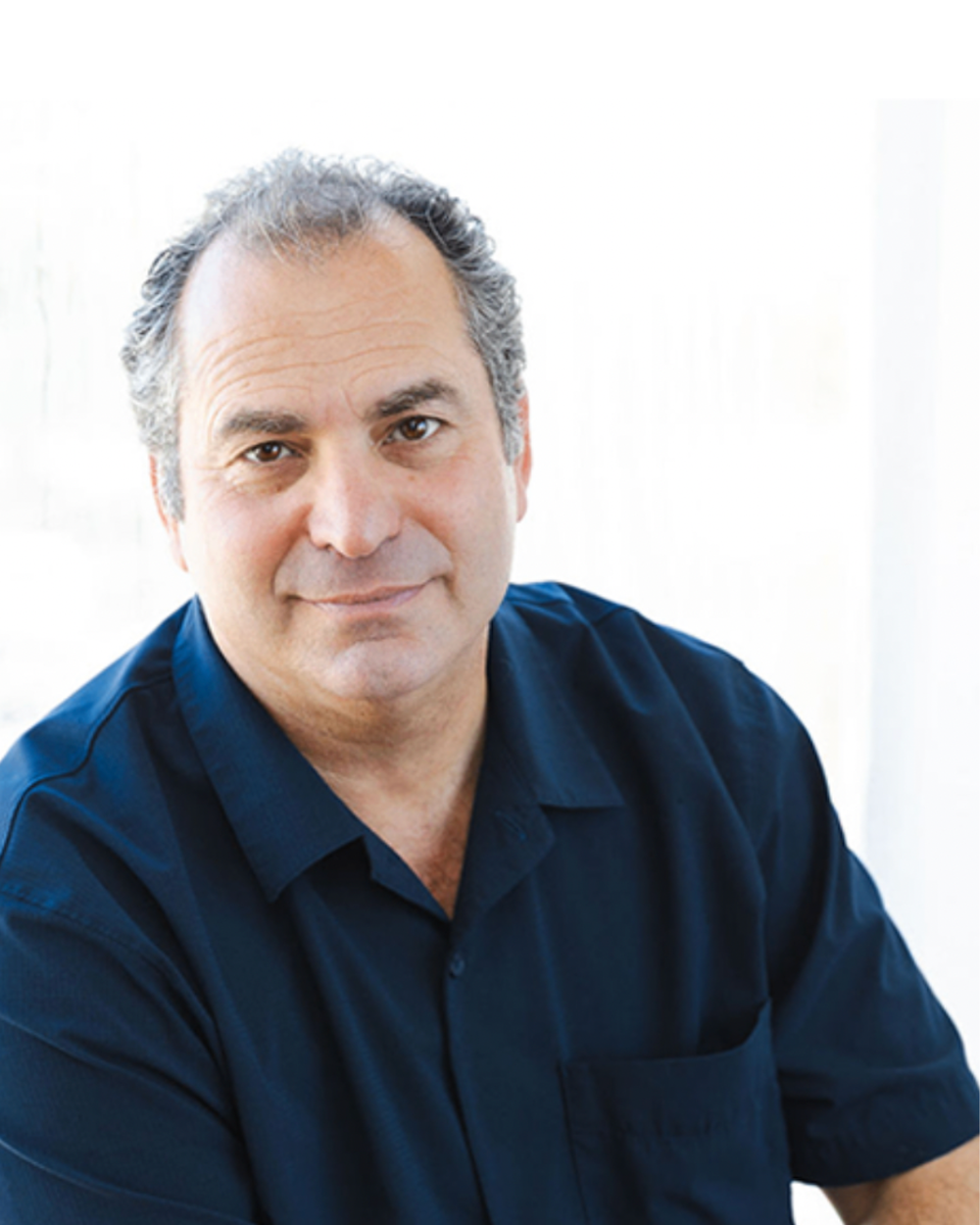
I’m Lorne Brown, B.Sc., CPA, Dr.TCM, FABORM, CHt, and CLT. I serve as the Clinical Director of Acubalance Wellness Centre in Vancouver and the Founder of Healthy Seminars, an online platform providing continuing education in acupuncture and integrative medicine.
My professional path began in mathematics and accounting as a Chartered Professional Accountant before I transitioned into Traditional Chinese Medicine. That background allows me to bridge clinical care, systems thinking, and sustainable practice design.
I’m the author of Missing the Point: Why Acupuncturists Fail and What They Need to Know to Succeed and the host of the Coherence Code Podcast, where I explore the intersection of fertility, hormones, mindset, and performance. My work focuses on helping practitioners improve clinical outcomes while building aligned, resilient practices that support both patients and purpose.
Listen to the Coherence Code Podcast and see what other projects Lorne is working at his website.
Health Seminars has a number of online CEU courses that focus on perimenopause and women’s health.


You don't have access to purchase this item.


