

#451
March 10, 2026

Zang Fu Tuina & the Microbiome
Henry Tarazona

Our Sponsors

We no longer pretend the gut and the mind are separate; we know the interconnections are vast and rich. Furthermore, their communication isn’t a hack—it’s a relationship that responds to your input, and it’s something you can actually touch.

In this conversation with Henry Tarazona, we hear about his unlikely path into Chinese medicine—his love of tuina, and how he uses it to affect organ function and biochemistry. We’ll discuss Liver/Spleen stress dynamics and the quietly radical clinical power of moderation in improving digestion, along with Henry’s thoughts on the gut–brain axis through the lens of the vagus nerve and the Chong Mai.

We also touch on what it means to learn medicine in a more traditional way, where you rely on memory, repetition, and learning to see what is in front of you.

Listen in for a conversation that mixes together old style learning with both traditional and modern ideas.


In this episode, we discuss:

  • The bold move to China – Arriving at age 18 with a visa already in hand and a passion for culture inspired by martial arts and cinema.
  • Diving into a Chinese-language medical degree – The intense challenge of beginning a university program in medicine after only seven months of language study.
  • The linguistic “click” – How total environmental immersion and writing diaries in Chinese eventually unlocked deep comprehension of medical texts and culture.
  • Sciatica as a career catalyst – How a personal health crisis and its successful Tui Na treatment shifted Henry’s clinical focus toward manual therapy.
  • Cultural attitudes toward therapeutic pain – The contrast between Chinese patients’ acceptance of deep work and the Western tendency to view pain as something purely negative.
  • The Gut-Mind connection in Tui Na – Exploring how specialized abdominal massage (Jinggu zang fu Tuina) regulates the nervous system to treat systemic conditions like Lyme disease.
  • Anatomy meets energetic meridians – Bridging Western physiology and TCM by identifying the abdominal aorta as the physical manifestation of the Chong meridian.
  • The aortic “pressing technique” – Using physical pressure to manipulate blood flow and deliver gut-produced chemicals directly to the brain.
  • Mapping brain changes through MRI – Documenting how abdominal treatments physically alter the chemical composition of the limbic system in patients with chronic fatigue.
  • The probiotic paradox – Moving beyond the “panacea” marketing toward a balanced, food-based approach to managing gut bacteria.
  • Dietary diversity as medicine – The simple clinical strategy of buying seasonal, unfamiliar vegetables to broaden the microbiome and support the “Earth” element.
  • Breaking the cycle of overthinking – How “soothing the liver” through cardio and breathing exercises prevents psychological stress from damaging digestive function.
  • The neurological impact of red meat – Examining research that links excessive beef consumption and animal fats to a rise in dementia and Parkinson’s.
  • The rigor of classical apprenticeship – Learning herbal medicine through the mandatory, laptop-free memorization of hundreds of formulas under a strict master.
  • Formula logic as a guide for acupuncture – Using the sophisticated interactions of herbal ingredients to intelligently select and combine acupuncture points.

A good TCM practitioner understands that we are not here to “fix” patients or magically solve their problems. Healing is a collaborative process. Many diseases and conditions are deeply connected to lifestyle, emotional patterns, and personal context. True clinical success comes from working together with patients, guiding meaningful changes, and empowering them to participate actively in their healing journey.
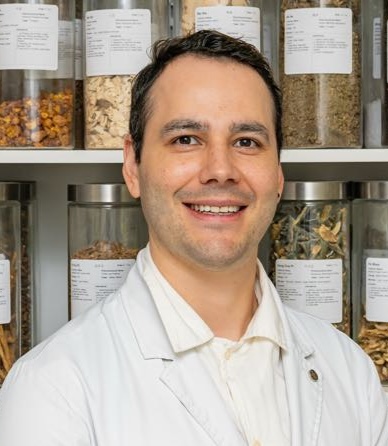
Henry Tarazona, Ph.D

Dr. Henry Tarazona is one of the few physicians worldwide who holds a Bachelor’s, Master’s, and PhD in Traditional Chinese Medicine from the University of Tianjin of Traditional Chinese Medicine. He is currently settled in Colombia, where he works as an instructor for OCTCM and serves as an Assistant Professor at CATHO Medical University in Vietnam.

His academic and clinical focus centers on the gut–mind connection and its relationship with chronic and complex diseases, integrating Traditional Chinese Medicine theory with modern research. His work is grounded in both scientific investigation and extensive clinical practice, particularly in the management of chronic and complicated conditions.

Member Only Content

This additional content is available to members of our podcast.

Explore Similar Podcasts

Subscribe to the Qiological Podcast in Your Favorite Player

You don't have access to purchase this item.