Colds and coughs arrive uninvited, rearrange our plans, and remind us that the body has its own weather systems—its own logic for how things move, settle, and resolve. Treating colds well requires more than naming a pathogen; it asks us to pay attention to terrain, timing, and the person standing in front of us.
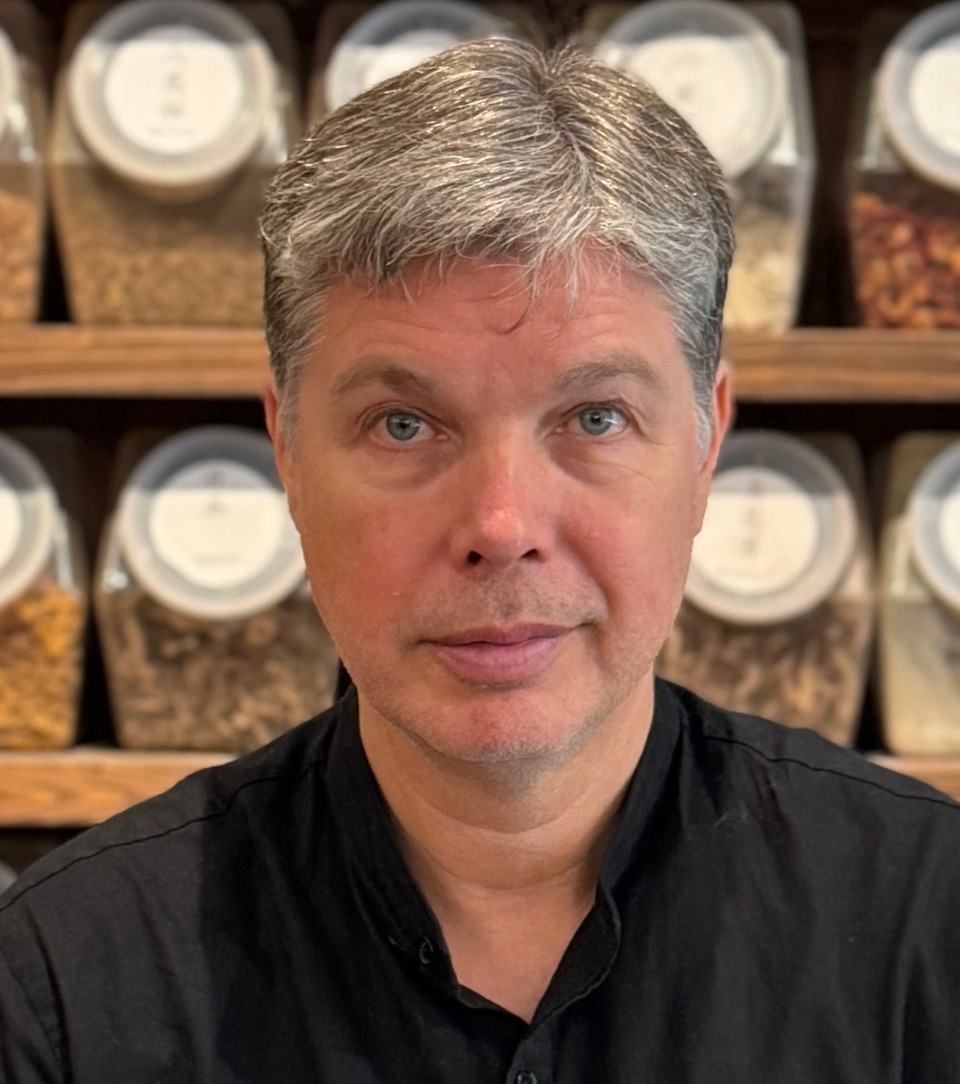
In this conversation with Andrew Nugent-Head, we explore respiratory illness through the lens of classical Chinese medicine as it was practiced before modern standardization. Drawing on his study and clinical experience with Republican-era doctors, Andrew reflects on a time when physicians treated everything from acute emergencies to chronic disease—and when formulas were understood not as fixed prescriptions, but as flexible strategies rooted in flavor, nature, and direction.
Listen into this Shoptalk as we explore how herbs work through their flavor and nature, how to treat colds and flus without falling into rote pattern diagnosis, the importance of changing the internal landscape rather than “killing” an illness, and what it really means to practice patient-centered medicine when respiratory bugs come through the door.

Questions need to be asked in a sequence which, one by one, allow the patient to feel more and more comfortable with sharing personal information without them realizing it–the flow needs to be 自然而然 naturally natural. The sequence of the questions should also be set up that each answered question informs the asking of the following question, and its importance. It is an important skill we teach our students to combine these two key sequences into one cohesive interview method.
Born in 1967, I lived in China from 1986 to 2014 studying Chinese medicine, martial arts and Daoyin, or internal cultivation practices. I studied with the last generation of traditional practitioners born and educated prior to 1949–the last generation to be in practice before Chinese medicine was socialized in the 1950’s and later restructured into what Chinese medicine is today. Entering into traditional mentor-disciple relationships with three different teachers, my work with them launched the Association for Traditional Studies in 1992, a nonprofit dedicated to sharing premodern Chinese medicine with western practitioners.
After the passing of my teachers, I left China after 28 years to establish a teaching clinic in the United States. Based in Asheville, North Carolina, the Alternative Clinic is a place where observers may watch the traditional practice as we learned it on a weekly basis, residents may train with us for up to two years, and the western world can see just how clinically effective Chinese medicine can be.
My wife, JulieAnn Nugent-Head, and I are dedicated to treating patients at our clinic, teaching tangible Chinese medicine around the world and growing Chinese herbs on our farm in memory of our teachers.
| Visit Andrew’s website, which includes teaching resources.
He also has an online teaching platform, and teaching clinic. You can find the Association for Traditional Studies on Youtube, Instagram and Facebook. Visit the Farm on Instagram as well. |
You don't have access to purchase this item.