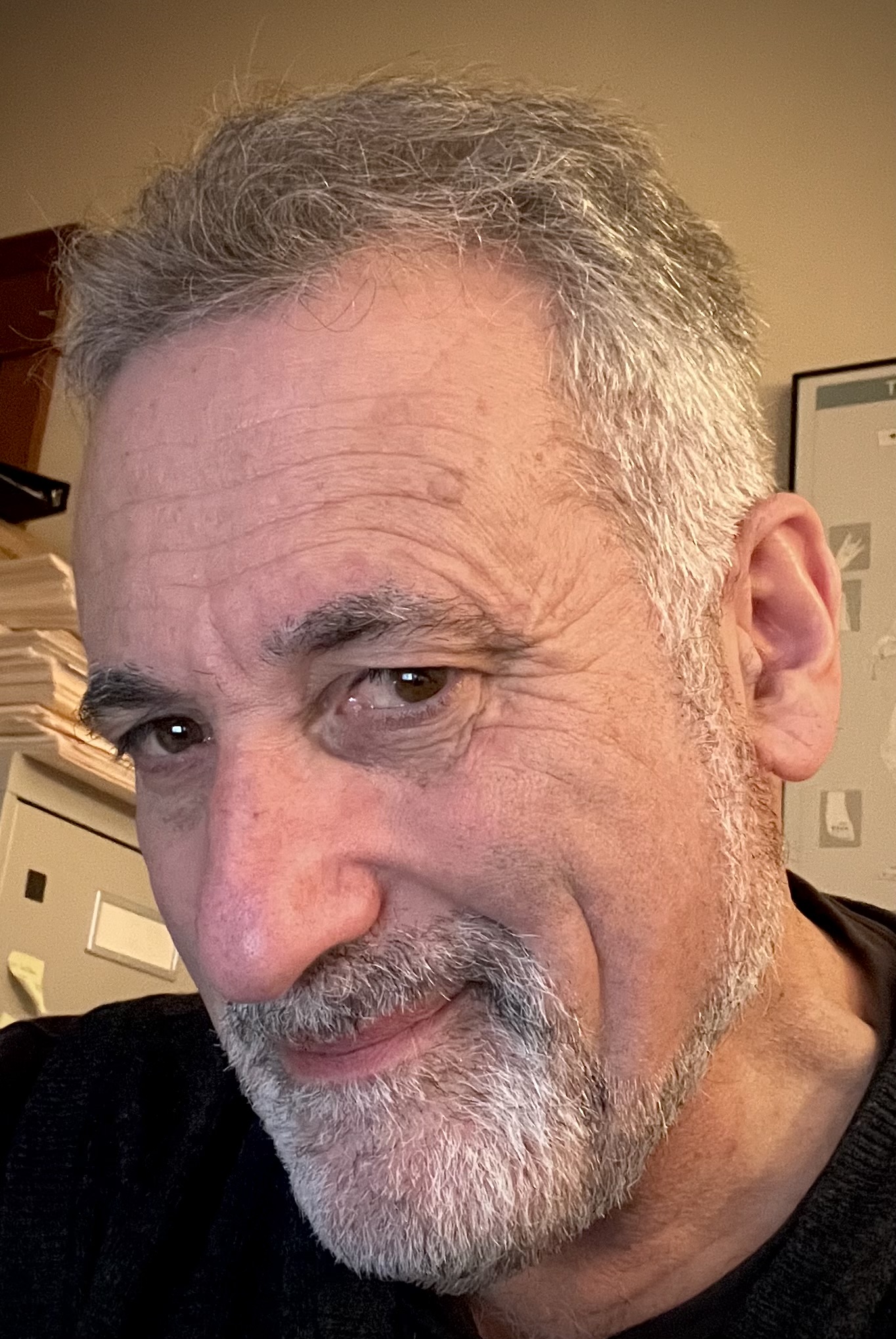
The lines we draw define us. In the pursuit of “objectivity,” modern medicine draws a sharp line between the observer and the observed—the doctor and the patient. But what happens when we intentionally blur that line? What is discovered when we move toward the subject rather than away from it?
In this expansive conversation with Daniel Schulman, we explore what happens when acupuncture is practiced not as a technical intervention, but as a relational art. Daniel reflects on a lifetime of moving between worlds—science and spirit, objectivity and intimacy—and how Chinese medicine became a place where those apparent opposites could finally speak to one another.
Listen into this discussion as we explore clinical intimacy, the difference between judgment and discernment, why knowing a patient is not the same as knowing their diagnosis, and how self-cultivation becomes an ethical foundation for practice. We wander through Saam acupuncture, Goethean science, deep time, and the quiet moments in clinic where something larger than technique makes itself known.
In spite of everything you know, always enter the treatment room with your mind empty, fully curious and receptive. Always be more interested in what you don’t yet know than in what you already know.
Daniel Schulman, R.Ac
Daniel graduated from the New England School of Acupuncture in 1999. He has been in private practice in Charlottetown, Prince Edward Island, Canada since then. He founded and chairs the Association of Registered Acupuncturists of Prince Edward Island.
For twenty years, Daniel’s clinical work centred around Japanese palpatory approaches, primarily those in the Nagano/Matsumoto lineage (but also including Keiraku Chiryo), expanding into an integration he discovered with Ren Ying Cun Kou pulse diagnosis. This work involved what he calls a reverse engineered ‘palpate first, ask questions later’ approach. More recently, Daniel has found himself in a radical clinical transformation via the elegant Sa’Am fusion of Zhou Yi trigrams, 5 Phases and Six Levels.
Daniel marvels at the fact that even after two decades in practice, every day is novel, new and fascinating.
Zajonc, Arthur. (2008) Meditation as Contemplative Inquiry: When Knowing Becomes Love. Lindisfarne Books.
Bortoft, Henri (1996) The Wholeness of Nature: Goethe’s Way Towards a Science of Conscious Participation in Nature. Lindisfarne Press.
Bortoft, Henri (2012) Taking Appearances Seriously. The Dynamic Way of Seeing in Goethe and European Thought. Floris Books
You don't have access to purchase this item.