



Points don’t really have a number, they have a name. They are not just a function, they embody characteristics and relationships.
In this episode I get to sit for a conversation with Arnie Lade. He’s the author of a book I spent a lot of time with in the library when I was in acupuncture school. Acupuncture Points: Images and Functions wasn’t a book I read to pass exams, it was one I read to get a feeling for points.
We explore how the work of Moshe Feldenkrais has influenced his work. And how both learning and healing often enough requires an element of unlearning. How ‘not-knowing’ is the beginning of fruitful inquiry. That even good diagnostic models can become a box if you cling too tightly.
One of the things we touch on that is not often discussed in our trade is the later years of a career and what it’s like to step away from a lifetime of practice. I used to hold a romantic notion of practicing until the end of my days. I’m glad there are people like Arnie a few steps ahead to point out the landscape that I’ve imagined, but not accurately mapped.
Finally, we touch on his latest book Zen and the Mystic Impulse, it’s a reflection on the time spent with his teacher, his own experience of practice, and the intimacy of not-knowing. Which, curiously enough, is the polar opposite of this first book I read all those years ago on the intimacy of ‘knowing’ a point, instead of relying on memorized function.
Our presence and connection with our client/patient are the most important aspects of a successful practice. In this regard, the following quote by the esteemed 14th-century German mystic Meister Eckhart says it all: “The most time is always the present moment, the most important person is always the one who is facing you right now, and the most necessary work is always love.”
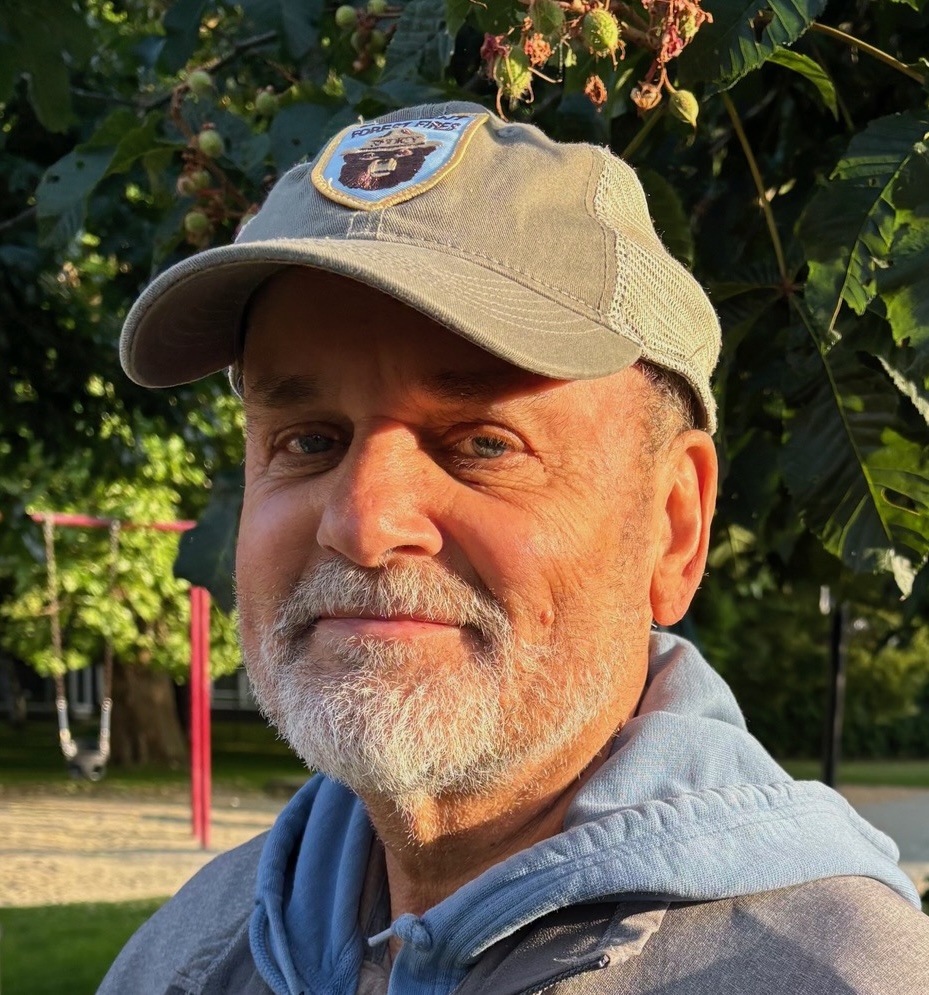
Arnie Lade
I am an internationally recognized author, teacher, and healer with a 50-year career in the healing and movement arts, including 44 years as an acupuncturist. My journey began in the 1970s with training in Polarity therapy, massage, and manipulative therapies. In the early 1980s, I studied acupuncture in China, and in the late 1980s, I expanded my education to include Craniosacral and Visceral Manipulation. I completed professional training in the Feldenkrais Method, graduating in 2001, and in the Embodied Life Mentorship Program™, developed by Russell and Linda Delman, in 2020.
Currently, I devote my time to teaching Zen meditation and awareness-based practices in the Empty Cloud lineage, founded by Benedictine monk and Zen master Willigis Jäger (Zen-Linie Leere Wolke).
I have authored several books, including Energetic Healing: Embracing the Life Force (1999) and Acupuncture Points: Images and Functions (1989). I also co-authored Tao and Dharma: Chinese Medicine and Ayurveda (1995) with Robert Svoboda and contributed to Chinese Exercises and Massage (1988). In my most recent book, Zen and the Mystic Impulse, released this year, I explore the teachings of Willigis Jäger.
Visit Arnie on his website.
You don't have access to purchase this item.


