In clinical work pattern and intuition inform each other, treatment decisions arise somewhere between what we can measure and what we can only sense. This episode investigates that in-between space, where “knowing” as a human and the patterning of Large Language Models merges in uncanny ways.
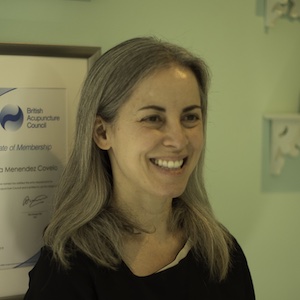
Vanessa Menendez-Covelo has been a guest on the podcast and recently she’s been exploring the ever changing frontier of AI, as both a former computer scientist and actively practicing acupuncturist.
Listen into this discussion as we explore how AI “hallucinations” might be creative sparks of fertile imagination; what a tongue-reading machine in a café might mean for diagnosis; the uneasy line between health equity and surveillance; and why shame, not ignorance, may be the real barrier to better care.
If you get the basics nailed down, you free up mental space for the complexity.
Vanessa Menendez Covelo
I worked in speech recognition systems and as a software engineer for investment banks before retraining as an acupuncturist. I run a small clinic in North London, UK and teach point location at the City College of Acupuncture. I have contributed to the Spanish translation of the website of A Manual of Acupuncture and have had an article on AI and acupuncture published in the Journal of Chinese Medicine.
Vanessa’s AI Acubot Dispatch on Substack is a fun and informative read.
In our conversation we discussed the Nature article on Evaluating the role of LLM’s in Chinese medicine, a podcast on the Future of Intelligence with with the co-founder of Deepmind, and the emotional labor of data workers in Africa. And one school one of the most eye opening conversations I’ve heard in a long time on using AI to help students perform academically in 2 hours a day, not so they are ‘book smart” but so they have more hours in the day for their passion projects.
You don't have access to purchase this item.