
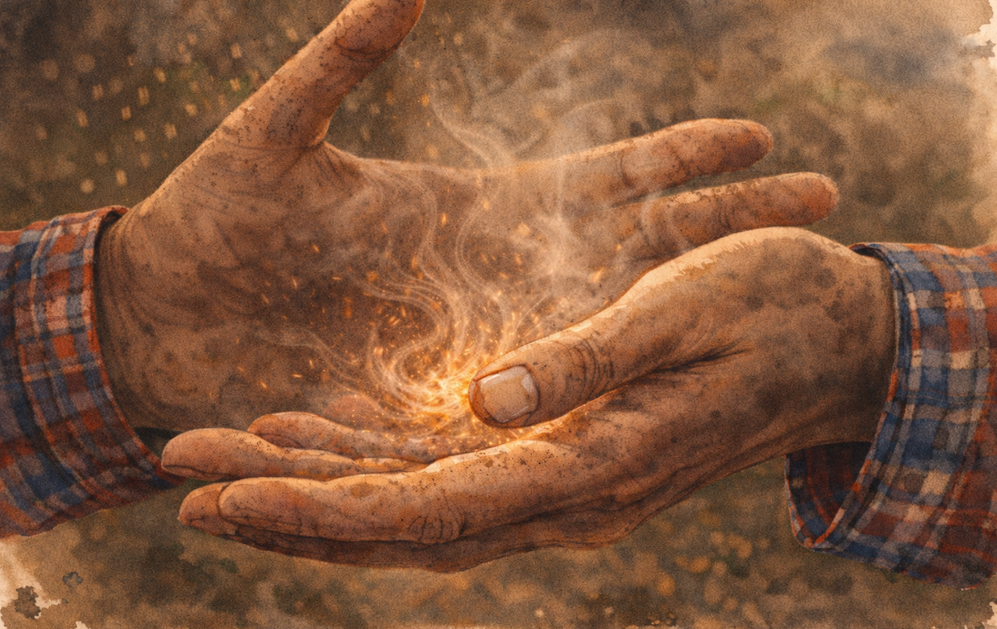



In the clinic, communication happens before a word is spoken. It unfolds through attention, listening, and the tactile information the body offers when we slow down enough to notice.
In this conversation, we explore palpation as a central pillar of acupuncture practice—not simply as a diagnostic tool, but as a way of relating. Drawing from diverse clinical backgrounds and decades of hands-on experience, in this panel discussion we move out of theory and into the wordless language of the body. We explore how palpation becomes a bridge between thinking and sensing, diagnosis and treatment, practitioner and patient.
Listen into this conversation as we explore how palpation provides real-time feedback in treatment, how it keeps acupuncture grounded and responsive, the ways in which touch builds trust and rapport, and why listening with the hands can reveal what words and symptoms alone cannot.
Attentive touch doesn’t just inform our treatments—it changes how we show up to the work itself.
Every imbalance leaves a footprint on the body. Palpation is the art of recognizing the footprint before choosing the path to fix it. Use palpation early and often—it clarifies diagnosis in ways theory alone cannot.
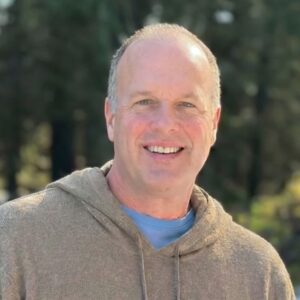
I received my degree in Philosophy from Bucknell University, and after a two-year Peace Corps stint in Morocco I spent several years working as a tour guide across Europe, Asia, and the Middle East. A formative year in China studying under Master Wang Si Ping eventually led me to the Oregon College of Oriental Medicine, where I earned my Master’s degree, followed by a Doctorate from Pacific College of Oriental Medicine. Over time I explored a wide range of acupuncture traditions (was fascinated by Kiiko) and immersed myself deeply in the classical texts, testing everything through thousands of hours of clinical practice. Out of this long period of curiosity, experimentation, and refinement, Neoclassical Acupuncture (NCA) gradually emerged—a palpation-based system rooted in a six-element model and known for producing immediate changes on both constitutional and symptomatic levels.
In 2009 I moved to Mexico to establish free acupuncture clinics in the mountains of Oaxaca and Michoacán. Today I live in Mexico with my wife and two children, continuing to teach, refine, and share Neoclassical Acupuncture around the world. My book Neoclassical Acupuncture was first published in 2019 and has since been translated into Russian, Spanish, and Polish.
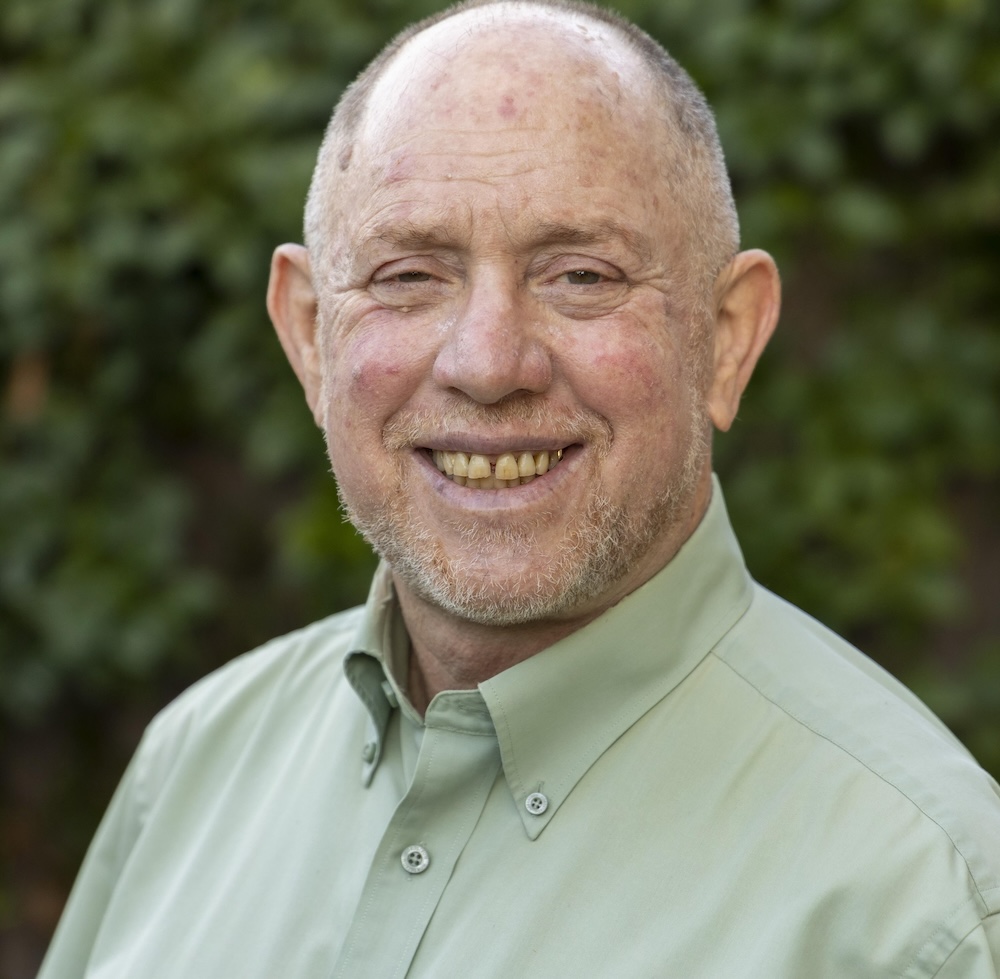
Rick Gold
I graduated from Oberlin College in 1972 with a religious studies major and pre- med minor.
After a five year experience living alone in rural Kentucky, I awoke one winter morning in 1975 from a dream and all I wanted to do was study Acupuncture. Fortunately, by 1977, I learned about the New England School of Acupuncture and enrolled. After graduating from NESA, I moved to San Diego to study for a Ph.D. in Psychology.
In 1981, I was contacted by Joe Lazzaro who was starting a branch of CAC (California Acupuncture College). I joined the faculty of CAC and also completed my studies to sit for CALE. By 1986, CAC was floundering and along with Joe, Alex Tiberi and Ana de Vedia, we took the plunge and started PCOM (now PCHS). The rest is history.
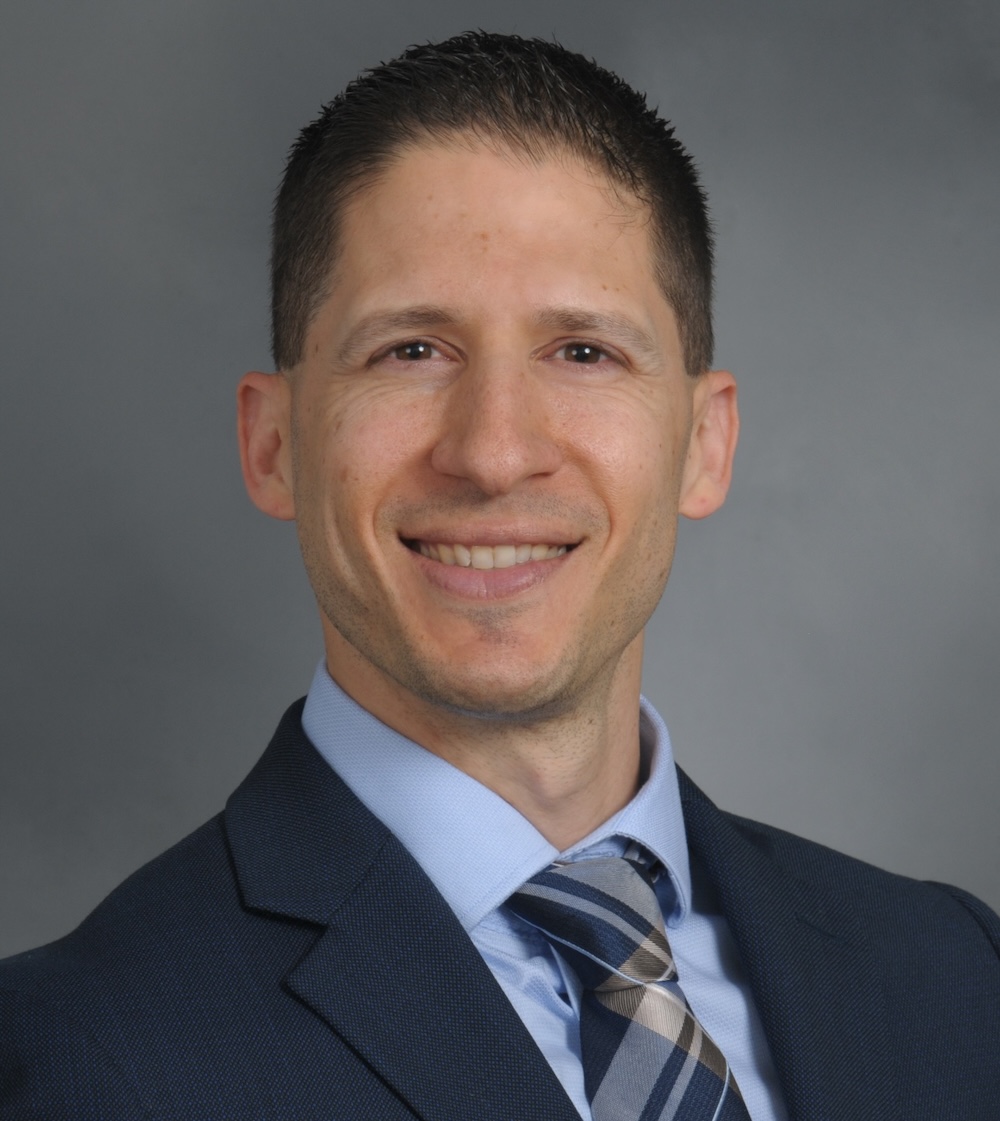
Mark Petruzzi
I am the Director of the Traditional Japanese Acupuncture Institute. I run a private practice in Port Jefferson Station, NY. I am appointed at Stony Brook University Hospital holding both in-patient and out-patient privileges. I was a presenter at Stony Brook’s Palliative Care Conference for Pediatric Oncology in 2016 and 2017. I have been adjunct faculty at the New York College of Health Professions since 2005, teaching courses in their Acupuncture and Massage Therapy programs as well as supervising student interns in the Japanese Acupuncture clinic.
I was a lead instructor for the Traditional Japanese Acupuncture team at Tristate College of Acupuncture in Manhattan from 2009-2018 and was the acupuncturist and massage therapist for the Adelphi University Dance Program from 2004-2020.
Visit Slate on his website or Facebook practitioners page.
His book on Neoclassical Acupuncture is thought-provoking, fun to read, and will open your mind to a whole new way of considering balance in the body.
See what Rick is up to with his latest endeavor at Metta Mindfulness Music.
He’s authored bodywork books on:
Thai Massage, Seitai Shiatsu, Cupping and Gua Sha.
He also has an entry in Acupuncture in Practice.
You can also find him on Facebook.
You’ll find Mark over at the Traditional Japanese Acupuncture Institute
Here are some PDF’s of articles he’s written for the North American Journal of Oriental Medicine (NAJOM) that you’ll find interesting on:
Preventing Post-Lumbar Puncture Headaches with Acupuncture and Manual Therapy Techniques
Water Penetrating Rock : Spiraling Treatment to Gently Address Acute Conditions
Dynamic Interconnections: A Qi, Blood, and Fluids Case with Takahiro-Style Teishin
You don't have access to purchase this item.


