

In this Shoptalk segment, we revisit the early descriptions of Chinese medicine found in the Huangdi Neijing, where acupuncture is framed as a traditional form of ecological surgery. Its primary aim was to restore the body’s natural watersheds by regulating the flow of blood through these regions.
The text draws a direct analogy between the vascular rivers of the body and the rivers of the natural world, understanding both as shaped by the same fundamental forces and patterns. And just like rivers in nature, the body’s vascular currents have seasonal variations—distinct “tides” we can perceive through the pulse qualities of the major vessels.
By attending to these seasonal tides, we can help synchronize the bodies of our patients with the larger rhythms of nature.
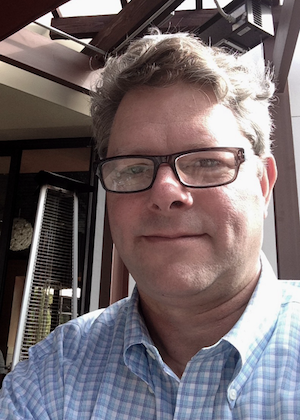
Edward Neal, MD, MSOM, is trained in both Western and Chinese medicine. He has been involved in the study and teaching of Chinese medicine for over thirty years. As part of his work, he has consulted with the World Health Organization on matters related to traditional East Asian medicine and has served as a visiting scholar at the University of San Diego Medical School.
He currently serves as the medical director for the Apricot Grove Project and is the founder and director of the School of Neijing Nature-Based Medicine. These organizations study traditional forms of medical knowledge to discover innovative solutions to current global challenges. Further information regarding these projects and training opportunities can be found at www.neijingstudies.com.
Curious for more? Explore Edward Neal’s other Qiological podcasts:
#409 – The Invitation in Troubled Times
Encore Episode 2020 – Coherence and Patterning
#054 – Nei Jing Perspective on Life, the Universe and Acupuncture
Learn more about Edward Neal’s work over at Apricot Grove Project and www.neijingstudies.com.


You don't have access to purchase this item.